


Aix-en-Provence
We went to Aix-en-Provence for a long weekend. I’d been curious about the city for a while. I know Marseille, Montpellier and Nice quite well, and wondered where Aix would fit in my personal ranking of southern French cities.
 Aix is known for its fountains, grand town houses and its association with Paul Cézanne, who was born here and spent much of his life painting the landscapes around the city. It was once the capital of Provence, and its history is still visible in the architecture, particularly in the Mazarin district and along the Cours Mirabeau, where elegant façades and imposing doorways hint at the wealth and status of the families who once lived here.
But I wanted to see how all that translated into the experience of spending a few days in the city. Beautiful buildings are one thing; what makes you want to stay a little longer is something else.
Marseille is still my favourite for its energy and edge. It can be rough around the edges, noisy and unpredictable, but that is precisely why I love it. Aix is more composed. Its architecture has a grandeur that reminds me of Nice, although in Nice the Mediterranean is part of everyday life. Montpellier is a more difficult comparison. Its history goes back to the Middle Ages, and its old centre has plenty of character, but I find it more provincial in feel.
Aix is a great city to explore on foot, with plenty of reasons to stop along the way. We visited art centres, found some good food shops, ate well and spent Sunday browsing the brocante. I came away with a few new addresses for my notebook, as well as a rather good idea of how I'd spend another weekend there.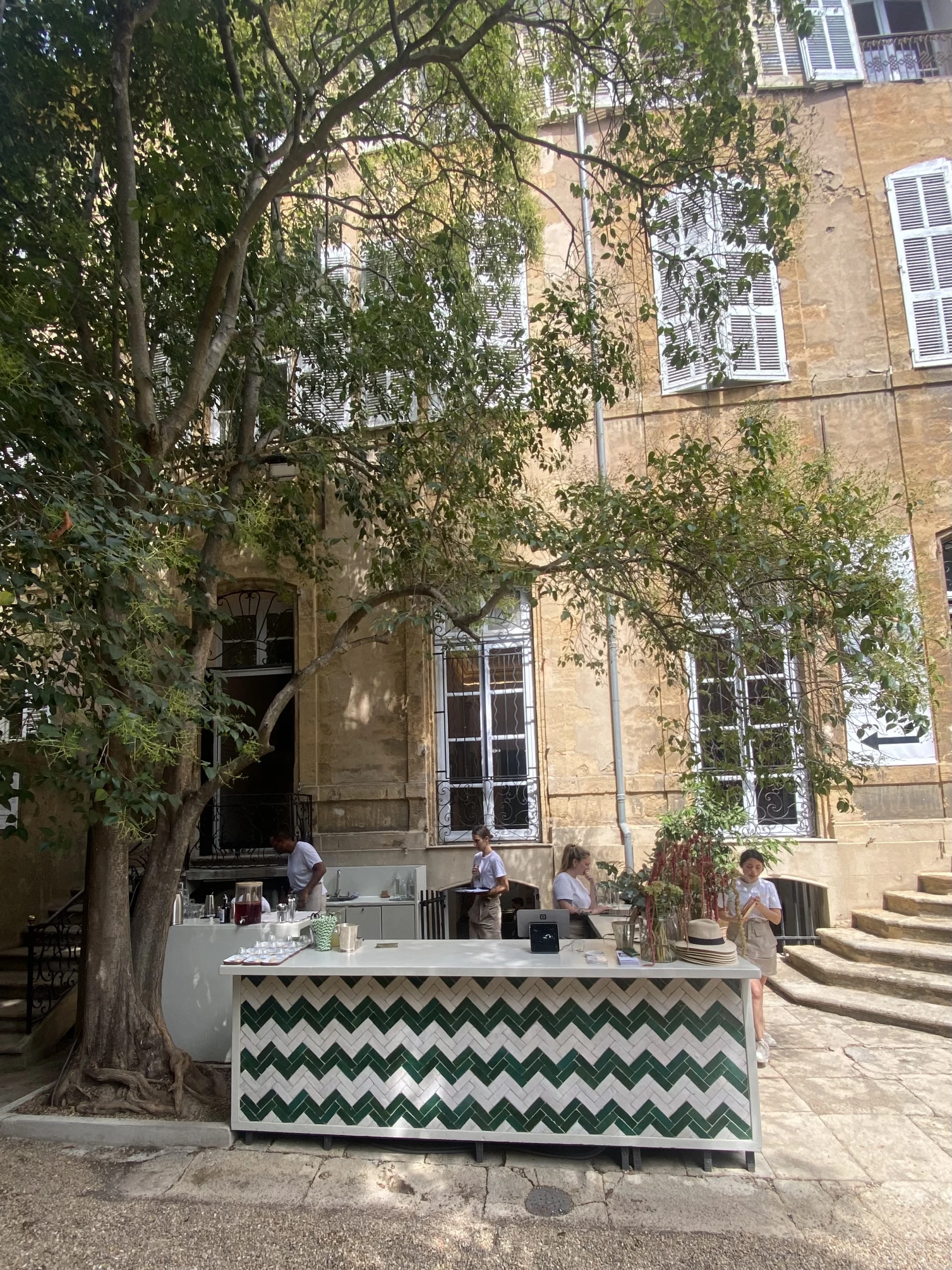
Art behind old doors
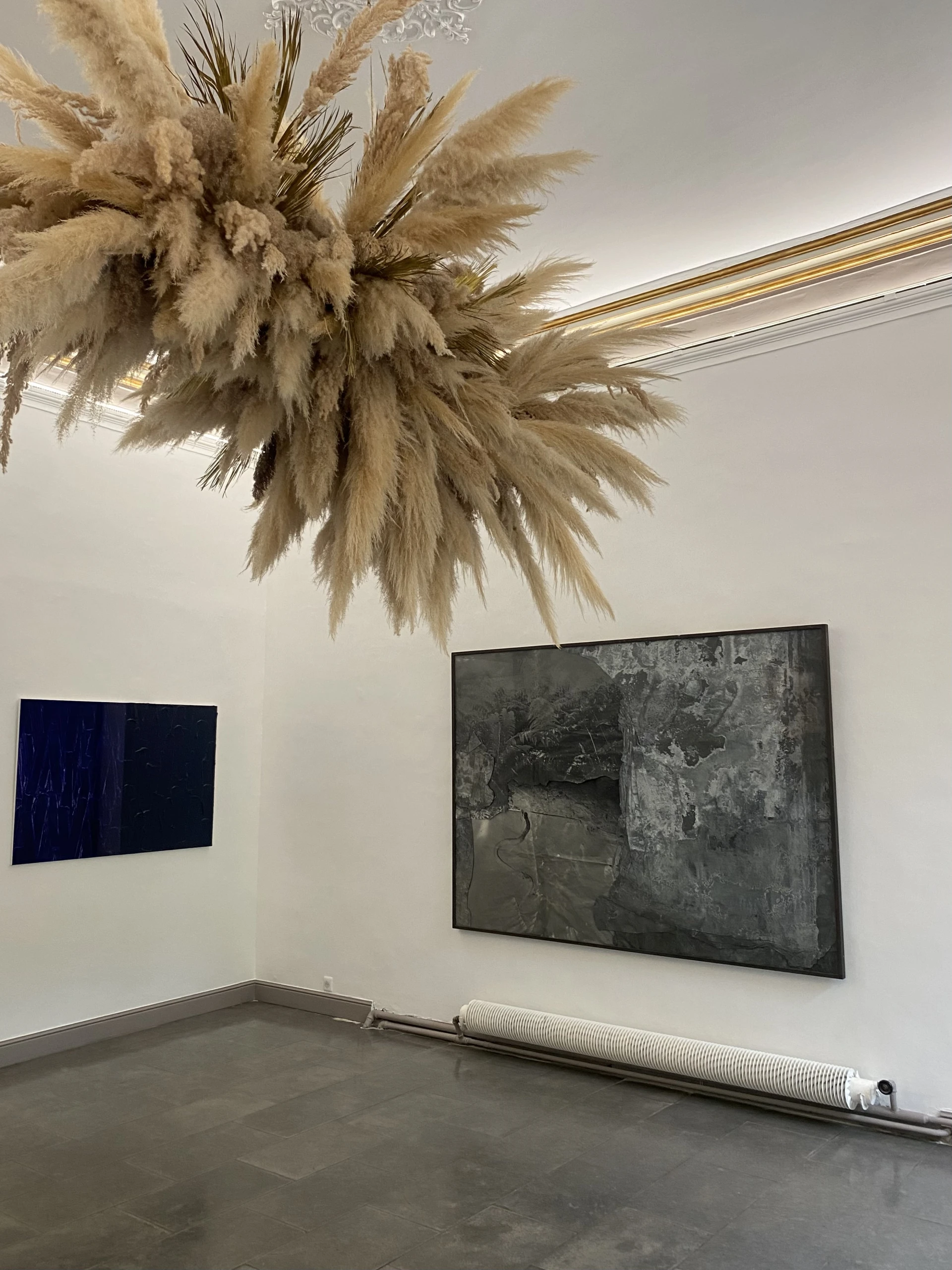
Art was high on my list for this trip. Alongside the museums, Aix has some wonderful exhibition spaces in old town houses, where the buildings are worth seeing in their own right.
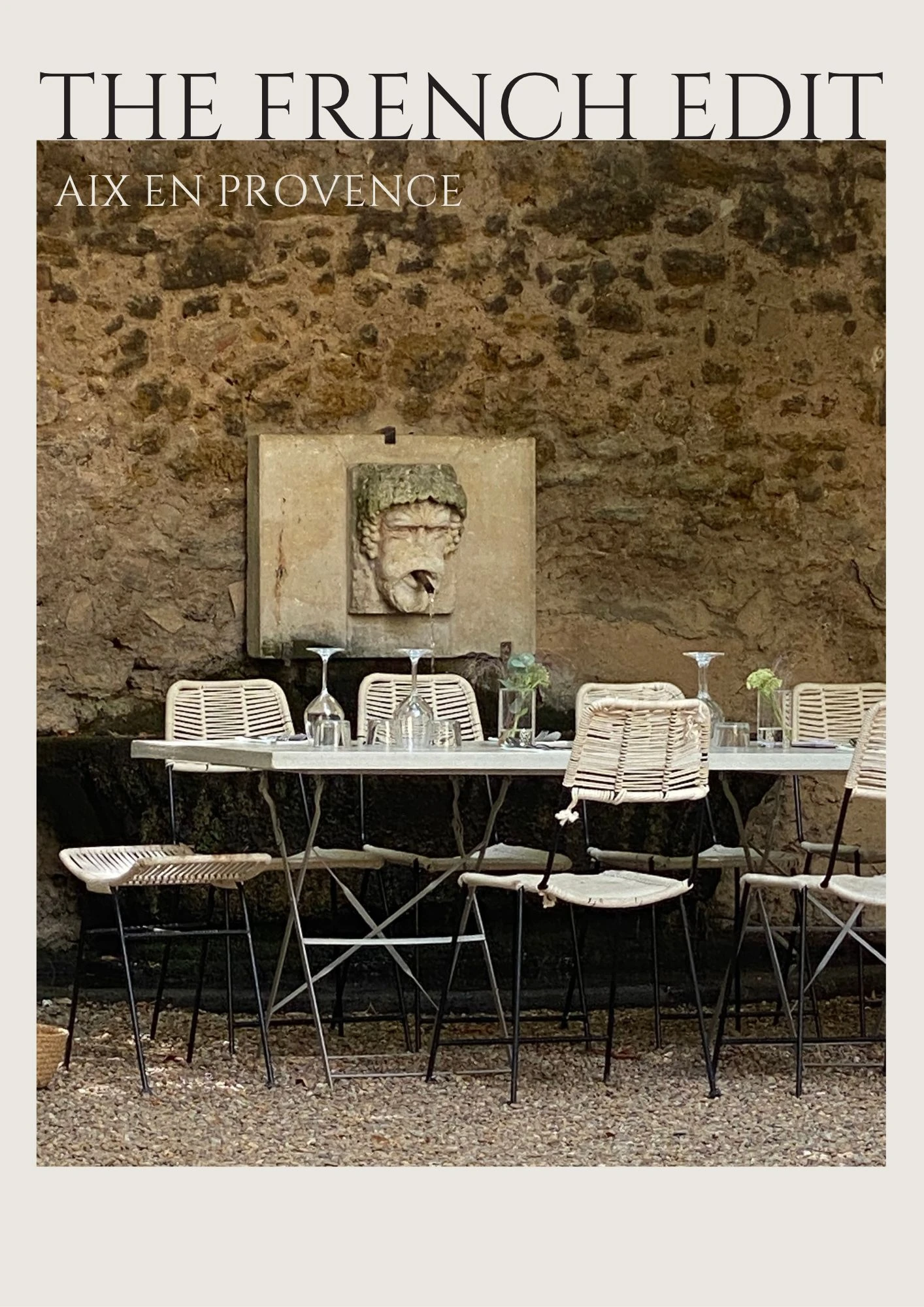
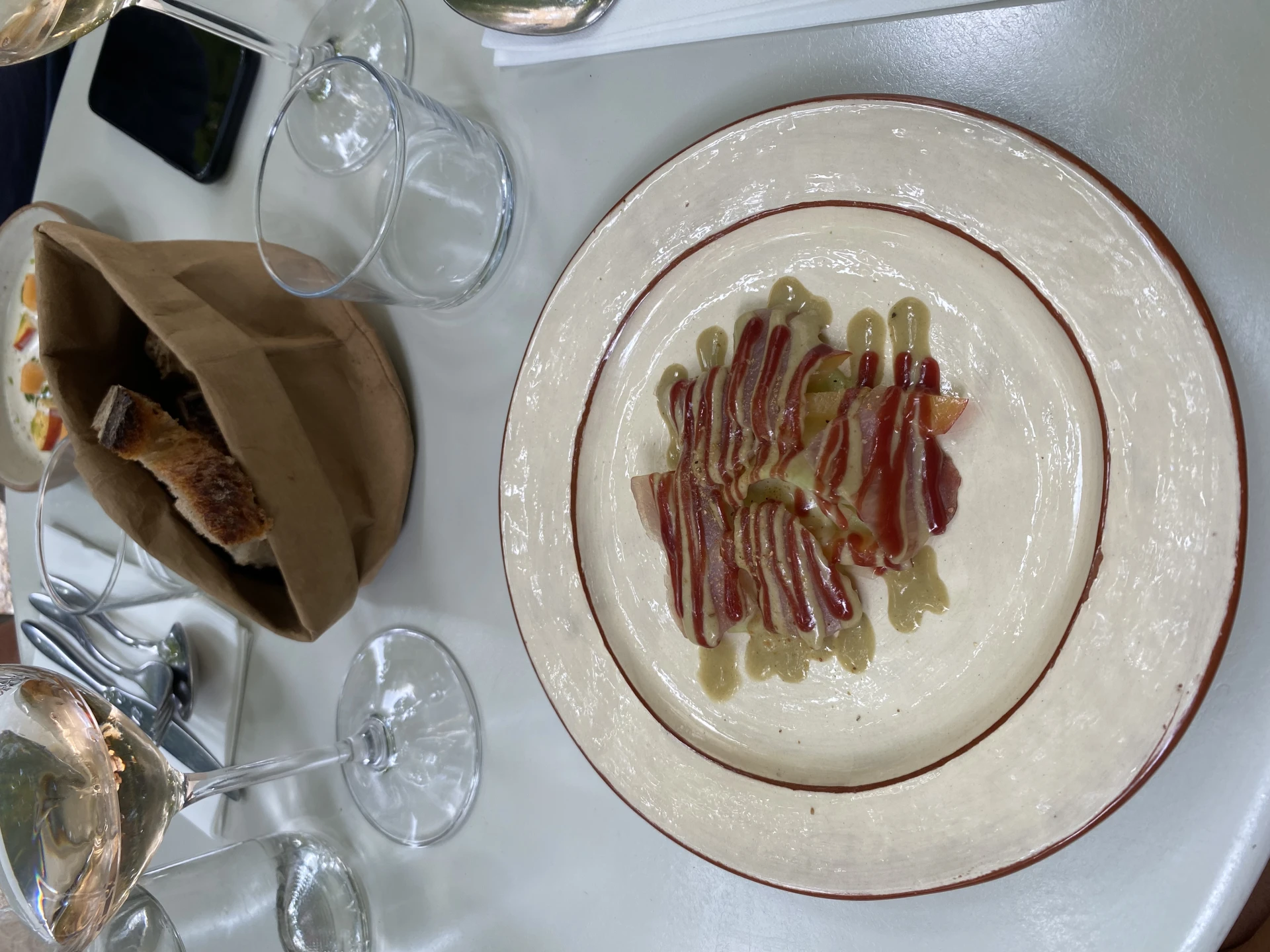
Gallifet was one of my favourite discoveries. Set in an eighteenth-century mansion on rue Cardinale, this contemporary art centre has six exhibition rooms and a 500-square-metre garden shaded by old chestnut trees. The exhibitions change throughout the year. From late spring into autumn, the garden becomes home to Gallifet Kitchen, serving lunch and dinner beneath the trees, with food made from seasonal produce, including fruit and vegetables from the neighbouring garden. We visited on a beautiful summer day and had lunch surrounded by the old stone walls and leafy trees. It was a lovely spot to sit for a while, away from the streets outside.
Hôtel de Caumont is another eighteenth-century mansion, restored and turned into an art centre. The exhibitions focus on major artists, but the building itself is worth seeing. Aix has plenty of handsome façades; here, you can step inside and see something of the interiors that lie behind them.
The city is also inseparable from Cézanne. His studio has been preserved with its furniture, still lifes and working materials. Rather than seeing only the finished paintings, you get a glimpse of the place where he worked and the everyday objects that surrounded him.
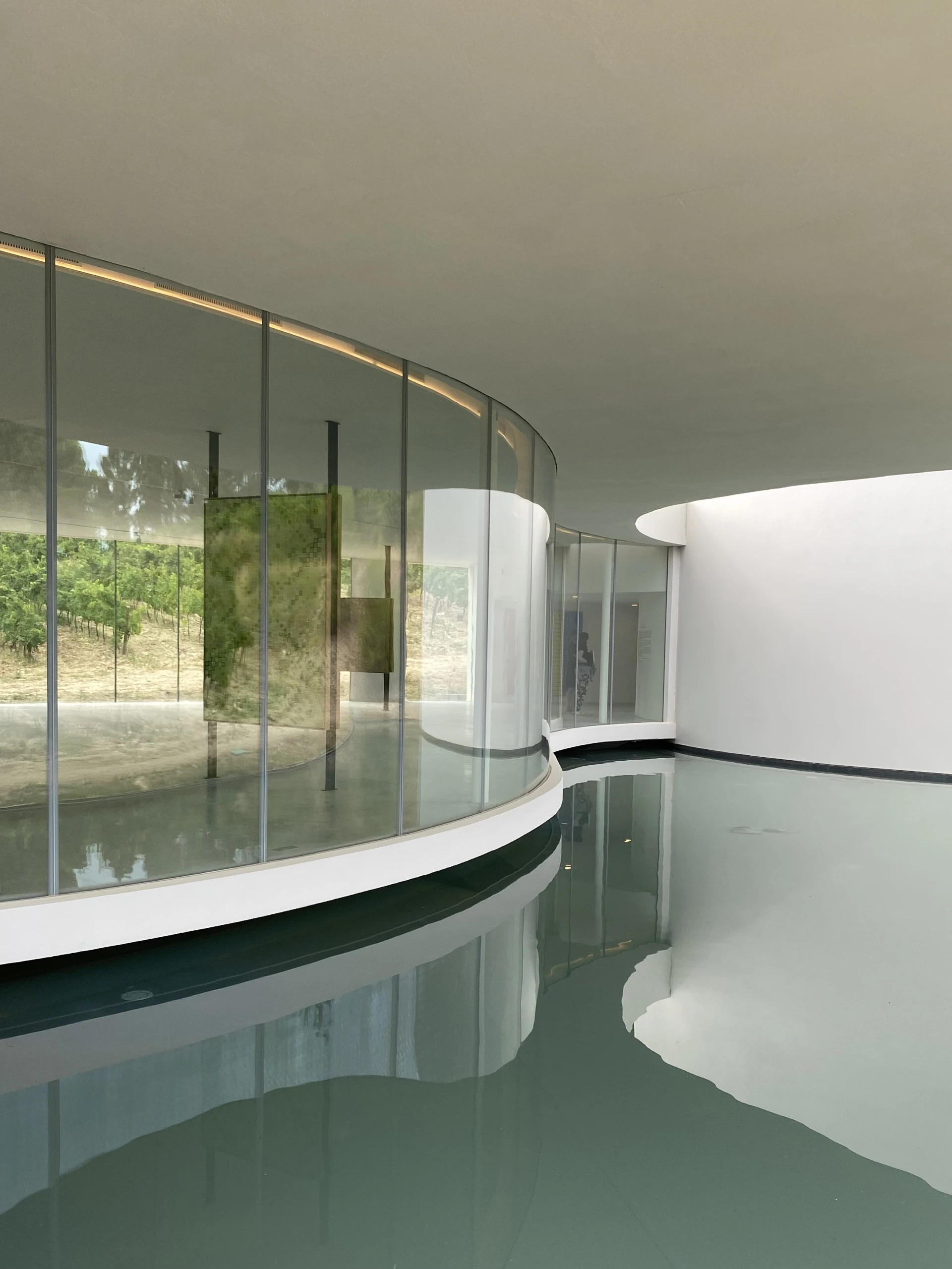

About twenty minutes outside Aix, Château La Coste is a vineyard where contemporary art and architecture are spread across the landscape. Ai Weiwei, Tracey Emin, Richard Serra and Frank Gehry are among the artists and architects represented here. Rather than moving between galleries, you walk among the vines, coming across sculptures and buildings along the way.
My personal favourite is the gallery and auditorium designed by Oscar Niemeyer. Its white, curved form stands out among the vines, and the glass façade brings the surrounding landscape into the building. It was wonderful to see this building in person.
There's also Francis Mallmann's restaurant at the estate. The Argentine chef is known for cooking with fire, using flames, embers and grills to prepare meat, fish and vegetables. The restaurant has a striking black-and-white interior inspired by an Argentine hacienda, with an open fire at its centre. There's also a more informal restaurant with a terrace, which makes a good lunch stop on a sunny day. If you're planning a visit around lunch or dinner, check the opening days in advance, as the restaurants don't necessarily open every day.
 Food shops, records and a Sunday brocante
I always make time for food shops when I travel. They often tell you as much about a place as its restaurants, and I'd rather come home with a few things from a good local shop than buy another souvenir.
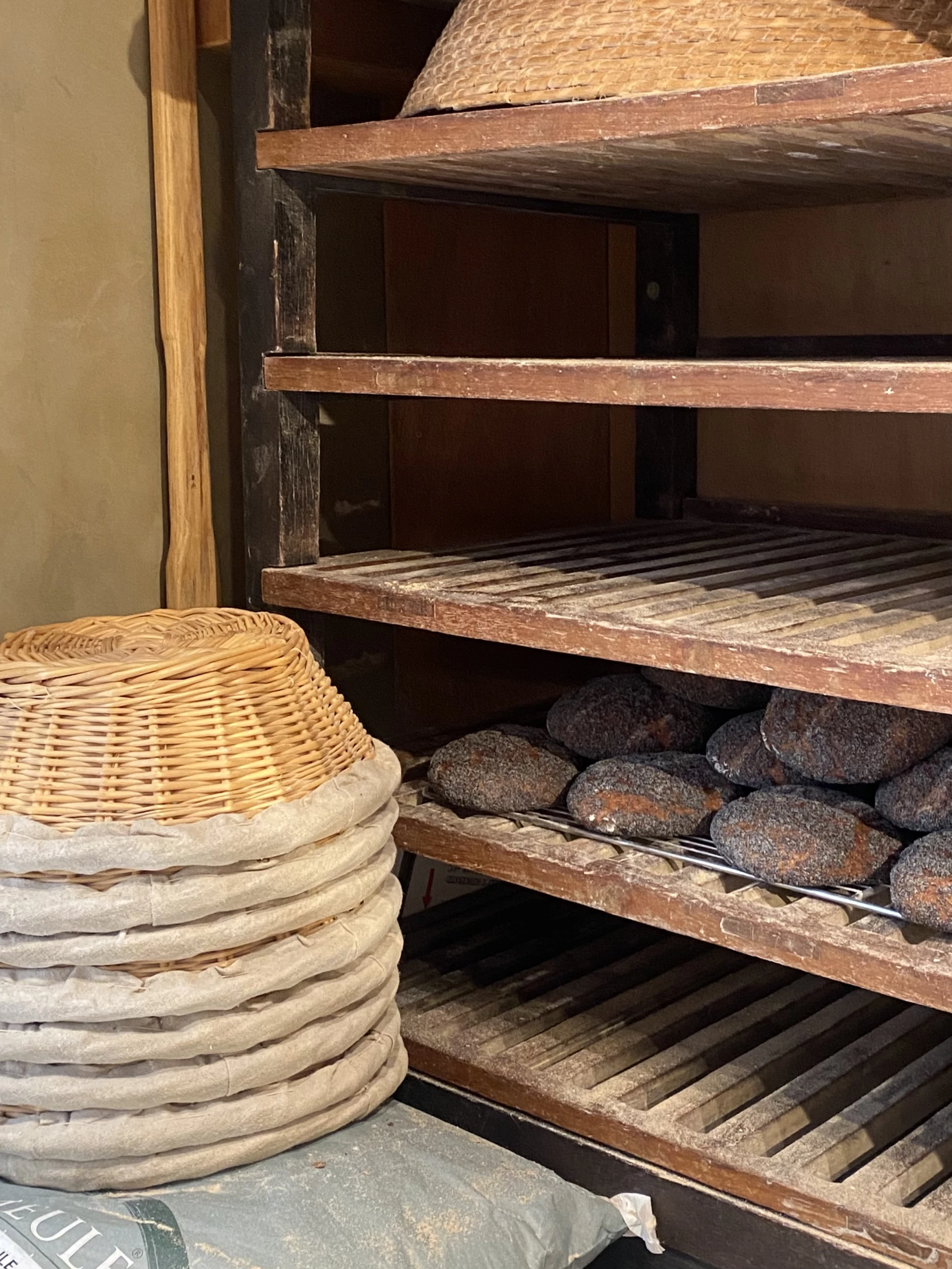
Farinoman Fou was my favourite bakery in Aix. The baker, Benoît Fradette, came from Québec, and his breads go well beyond the usual baguette and country loaf. There are different flours and combinations of seeds, nuts and other ingredients, with names almost as inventive as the recipes. The range changes, but you might find bread made with chestnut and rice flour, buckwheat, or a mix of grains and seeds. It's a place for anyone who takes bread seriously.
For fresh pasta, there's Aux Pâtes Fraîches, an Aix institution dating back to 1878. The shop has been given a more contemporary look, but it remains a place to buy pasta made on the premises, from tagliatelle and lasagne sheets to ravioli with seasonal fillings. There are also cheeses, charcuterie and other things to put together a good lunch at home.
For cheese heaven, go to La Fromagerie Lemarié. And then there's Weibel, the pastry shop that has specialised in pâte à choux since 1954, and Madeleines de Christophe, a tiny shop devoted to madeleines. The latter has a rather touristy feel, but the madeleines are very good.
For something quite different, Le Coin de Chineurs is a little café-brocante on rue Granet, with a distinctly 1960s feel. Vintage clothes and brocante pieces sit alongside the café tables. I bought the perfect vintage red record player there.
Sunday was for the antiques and brocante market on the Cours Mirabeau. The stalls stretch beneath the plane trees, with dealers selling old furniture, ceramics, books, records and all sorts of objects. I spent most of my time going through boxes of French records, looking for something to play on my new record player.
Where to eat and drink
For dinner, Les Vieilles Canailles is the sort of French bistro I like, with simple, generous cooking and a good selection of wines and champagnes.
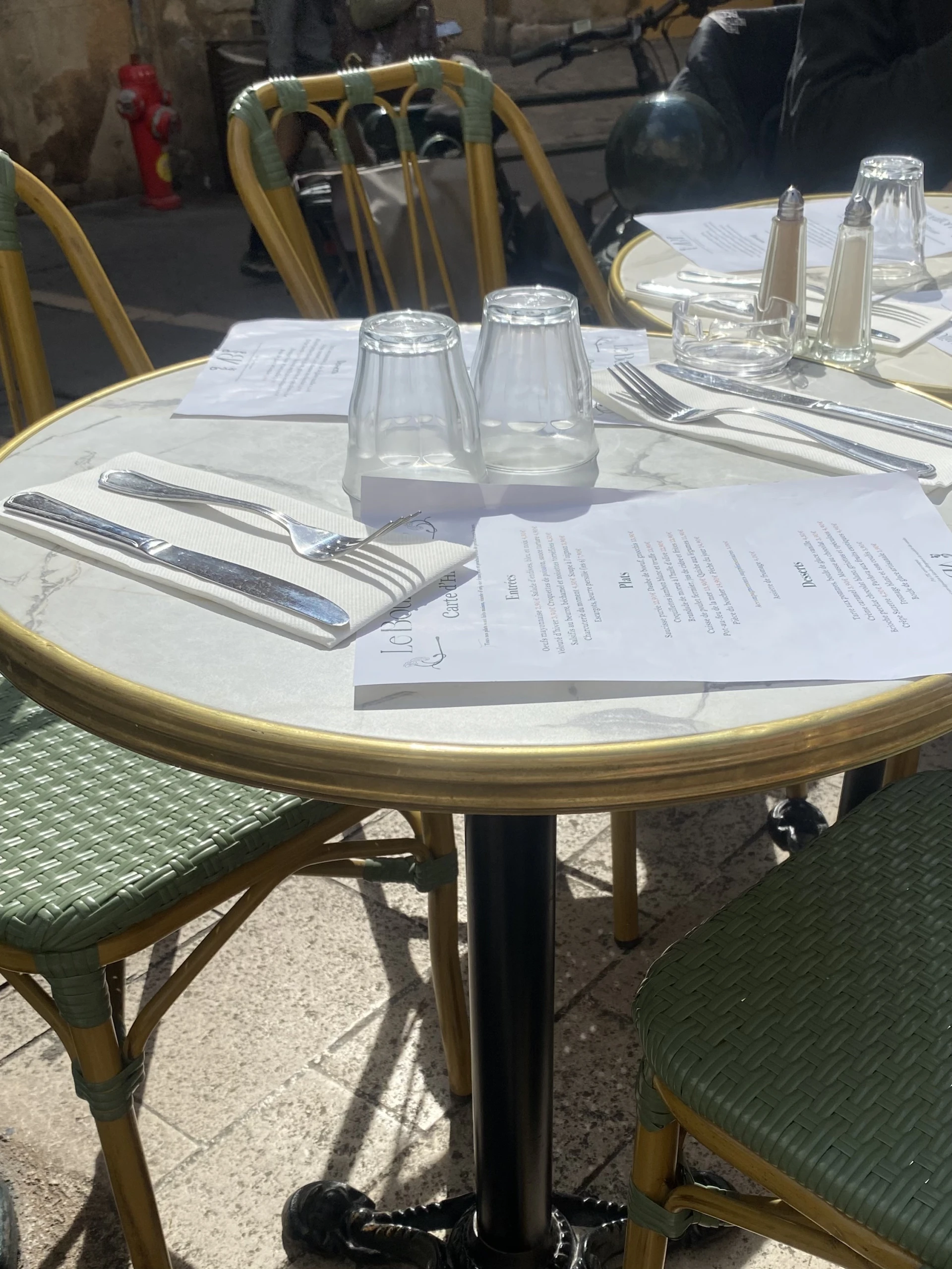
Bouillon Aixois takes its inspiration from the traditional French bouillon, with familiar dishes at very reasonable prices. It may not have the patina of the old Parisian institutions, but the sunny terrace makes it a pleasant place to sit.
Les P'tites Bouchées is a Chinese restaurant, despite its very French-sounding name, and a good alternative when you fancy dim sum rather than another Provençal meal.
Les Galinas – La Table Provençale serves traditional Provençal cooking in a small bistro on rue Constantin, close to the Musée Granet. The menu follows the seasons and uses local ingredients, with dishes such as aïoli and tomatoes à la provençale. The restaurant has earned a Bib Gourmand from the Michelin Guide, recognising good cooking at a reasonable price.
For wine, La Cave des Ours, La Méduse and Mademoiselle Wine are three addresses to look out for. Mademoiselle Wine is particularly easy to miss: with its black façade and stylised white lettering, you could almost mistake it for a little perfume boutique. Inside, Aurélia Gauthier has put together a carefully chosen selection of wines. It's the kind of shop where I'd rather ask for a recommendation than simply pick a bottle by its label.
A place to stay that is part of the story
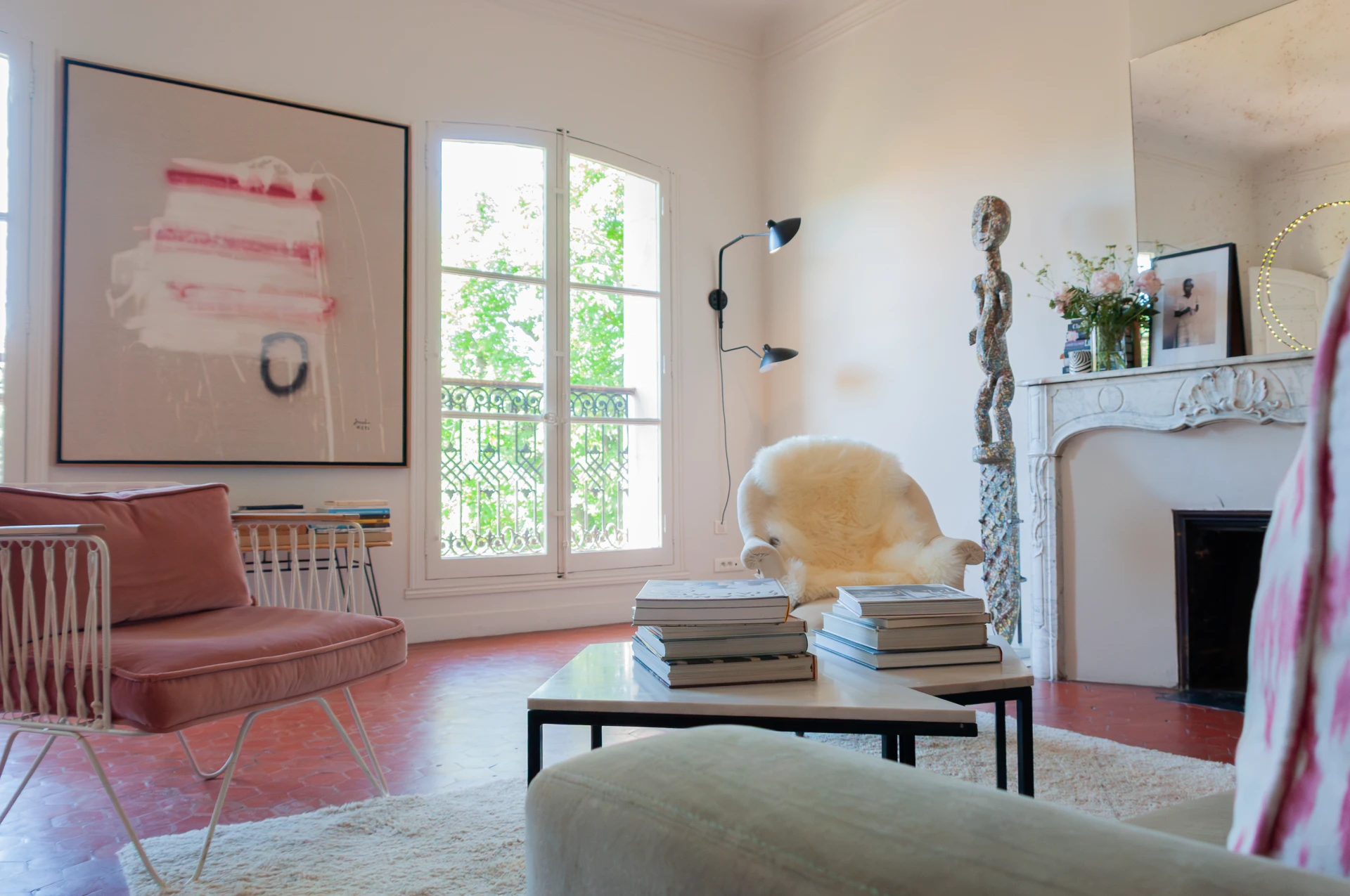
My favourite place to stay in Aix is Hôtel de Gallifet. The 75-square-metre apartment is on the second floor of the eighteenth-century mansion that houses the contemporary art foundation.
The walls are hung with works by artists including François Arnal, Jean-Pierre Formica and Morgane Baroghel-Crucq, all of whom have exhibited at Gallifet. I like the idea of staying somewhere where the art isn't confined to the exhibition rooms downstairs, but is part of the apartment too.
The rooms are filled with natural light, with windows overlooking the garden and its old chestnut and linden trees. Downstairs, there's the art centre and, in summer, the restaurant in the garden. Upstairs, the apartment has its own quieter atmosphere, with the artworks on the walls and the garden just beyond the windows.
 The Travel Notebook: Aix-en-Provence
For subscribers, I've put together my personal address book for Aix: the art centres, food shops, vintage finds, restaurants, wine bars, somewhere special to stay, and two places worth visiting outside the city.
My personal selection, rather than a comprehensive guide. These are the places I wanted to remember, and the ones I would share with a friend planning a weekend in Aix.
Inside: Art & culture · Food shops & shopping · Restaurants · Wine bars · Where to stay · Beyond Aix
To acces the guide, please click here (available from the 12th of November)
 All articles