





The Postcard That Forgot It Was a Village
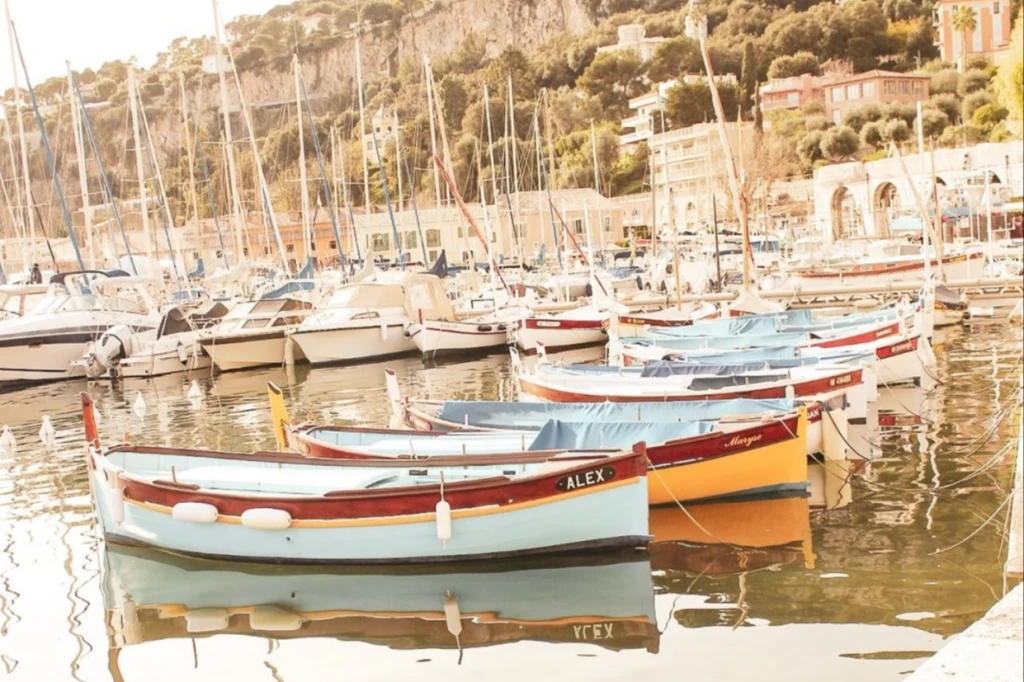
There’s a moment, as you round the coastal bend from Santa Margherita, when Portofino appears like a dream: a pastel crescent of houses reflected in calm Ligurian waters, bougainvillea tumbling over balconies, yachts bobbing where fishing boats once docked. It’s almost too perfect. And in many ways, it is.
Portofino has long been mythologised as a hidden gem—an elegant, timeless village on the Italian Riviera. But “hidden” it is not, and “timeless” feels generous when you’re navigating the cluster of Chanel, Dior, and Louis Vuitton boutiques that now flank the harbour.
What was once a fishing village is now a luxury showroom, dressed in designer labels and spritzed with a strong dose of spectacle.
A Jet-Set Makeover
The transformation began slowly in the late 19th century, when British aristocrats started turning up for the light and the sea breeze. But the real pivot came in the 1950s and ‘60s, when Portofino became a glamorous retreat for stars like Elizabeth Taylor, Sophia Loren, and Ava Gardner. The paparazzi followed, the fashion houses weren’t far behind, and a quiet harbor town found itself cast in a starring role it never auditioned for.
Today, Portofino is no longer a village in the traditional sense. It’s a luxury destination, more stage set than living place. The kind of spot where cocktails cost as much as dinner elsewhere, and where it’s easier to find a monogrammed handbag than a loaf of fresh bread.
Who Still Lives Here?
Not many. The resident population has dwindled to fewer than 500 people, and most of them are either elderly or tied to the tourism trade. Young locals have been priced out, finding more sustainable lives in nearby towns like Rapallo or Santa Margherita. The village survives on seasonal visitors, a few old fishing families, and a whole lot of brand equity.
And yet—there’s still something magnetic about Portofino. If you climb up to Castello Brown, or take the hiking path toward San Fruttuoso, you get glimpses of the landscape that first seduced travelers over a century ago. The sea sparkles, the air is scented with pine and salt, and for a fleeting moment, you can almost believe in the myth again.
What To Do in Portofino
There’s not much to do in Portofino but wander and enjoy the setting itself. Take a stroll along the harbor before making your way past the church of San Giorgio to Castello Brown, a 15th-century castle overlooking the bay. The entry ticket (€5) is well worth it for the gardens and the sweeping views.
If you’re in the mood for a longer walk, continue to the Portofino Lighthouse and La Portofinese, an eco-farm producing craft beer, organic honey, and wine. They also offer picnics, wellness sessions, and guided tours on the promontory.
For a pause in town, tucked behind the piazzetta you’ll find Gepi, a tiny café-gelateria in a pretty corner. Wine lovers should seek out Winterose Wine Bar—with just five tables, it’s a perfect hideaway for a glass of Ligurian white and a few cicchetti before dinner.
Diving Beneath the Surface
While Portofino dazzles above the water, its most fascinating side may lie below. The stretch between Santa Margherita and Portofino is home to the Portofino Marine Protected Area, one of Italy’s premier diving zones. Here, yachts and superyachts share the horizon with Zodiac boats full of divers—an unusual but telling contrast between Riviera chic and salt-soaked adventure.
Legendary Dive Sites
Christ of the Abyss (Il Cristo degli Abissi): A submerged bronze statue placed in 1954 in the bay of San Fruttuoso, just 15 meters down. Both spiritual and symbolic, it has become a pilgrimage site for divers worldwide.
Punta del Faro and Punta Chiappa: Famous for their vertical walls and schools of grouper and barracuda.
Secca dell’Isuela: A deep reef teeming with marine life, reserved for experienced divers.
Marine Life
Expect encounters with moray eels, octopus, red coral, colorful gorgonians, groupers, and the occasional nudibranch. Steep underwater cliffs and caves make the seascape just as dramatic as the coastline above.
For All Levels
You don’t have to be a pro. Local dive centers offer PADI courses, intro dives, and guided excursions from Santa Margherita’s harbor. But for seasoned divers, the visibility (often up to 30 meters) and technical wall dives are what make Portofino legendary.
History Below the Surface
This coastline isn’t just about fish and coral—it’s also steeped in maritime history. Wreck dives recall WWII stories, while underwater blessings near the Christ statue highlight a long tradition of spiritual connection with the sea.
Come for the View, Stay for the Contrast
Portofino is undeniably beautiful. But it’s also a lesson in what happens when place becomes product. You won’t find much local life here anymore—but you will find a stunning tableau, above and below the surface. Whether you sip prosecco by the piazzetta or descend into a world of coral and history, Portofino remains magnetic. Not for its myth, but for its contrasts.

 All articles