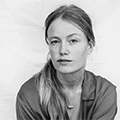


Inside Fondation CAB with Mathilde Daufresne
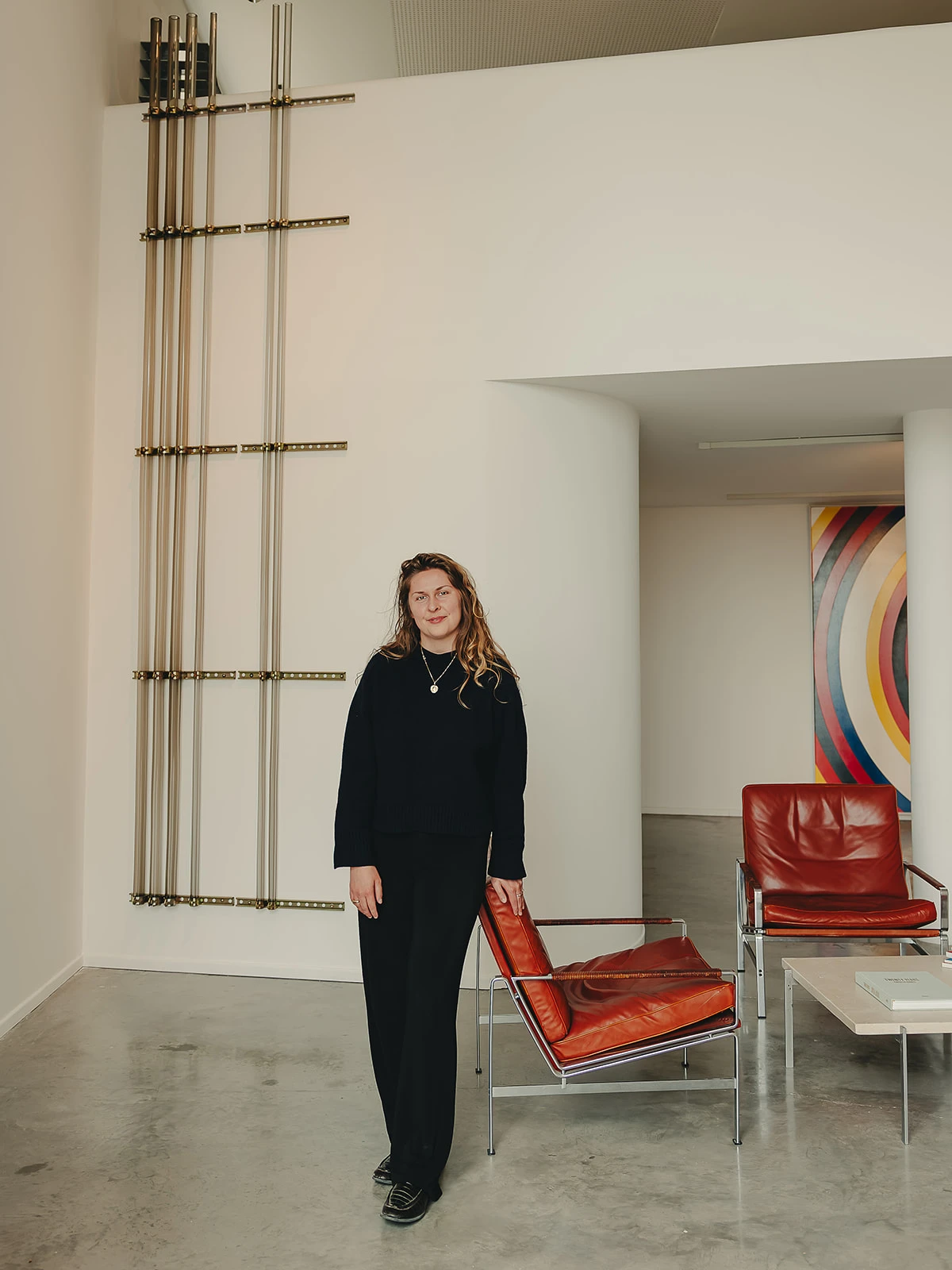 At Fondation CAB in Saint-Paul-de-Vence, art extends beyond the exhibition space. Jean Prouvé’s architecture, works by leading figures of modern and contemporary art, and the Mediterranean garden form part of a wider experience shaped by collector Hubert Bonnet.
For Mathilde Daufresne, who joined the foundation in 2025 and now oversees its Saint-Paul-de-Vence site, the relationship between art and its surroundings is central to the project. With two new houses joining Les Maisons CAB, we spoke to her about the thinking behind the foundation, the experience of encountering art in this setting, and what it means to live with a collection rather than simply visit it.
 A personal vision of art and design
You have worked in several cultural institutions, including the Peggy Guggenheim Collection in Venice. What brought you to Fondation CAB?
My background is quite varied, but it has always been connected to culture. I studied English and Italian literature, followed by art history, and gained experience at institutions including UNESCO in Paris, the Peggy Guggenheim Collection in Venice and BRAFA in Brussels.
I joined Fondation CAB in Saint-Paul-de-Vence in 2025, initially as a cultural projects coordinator. My role gradually expanded, and I now oversee the site.
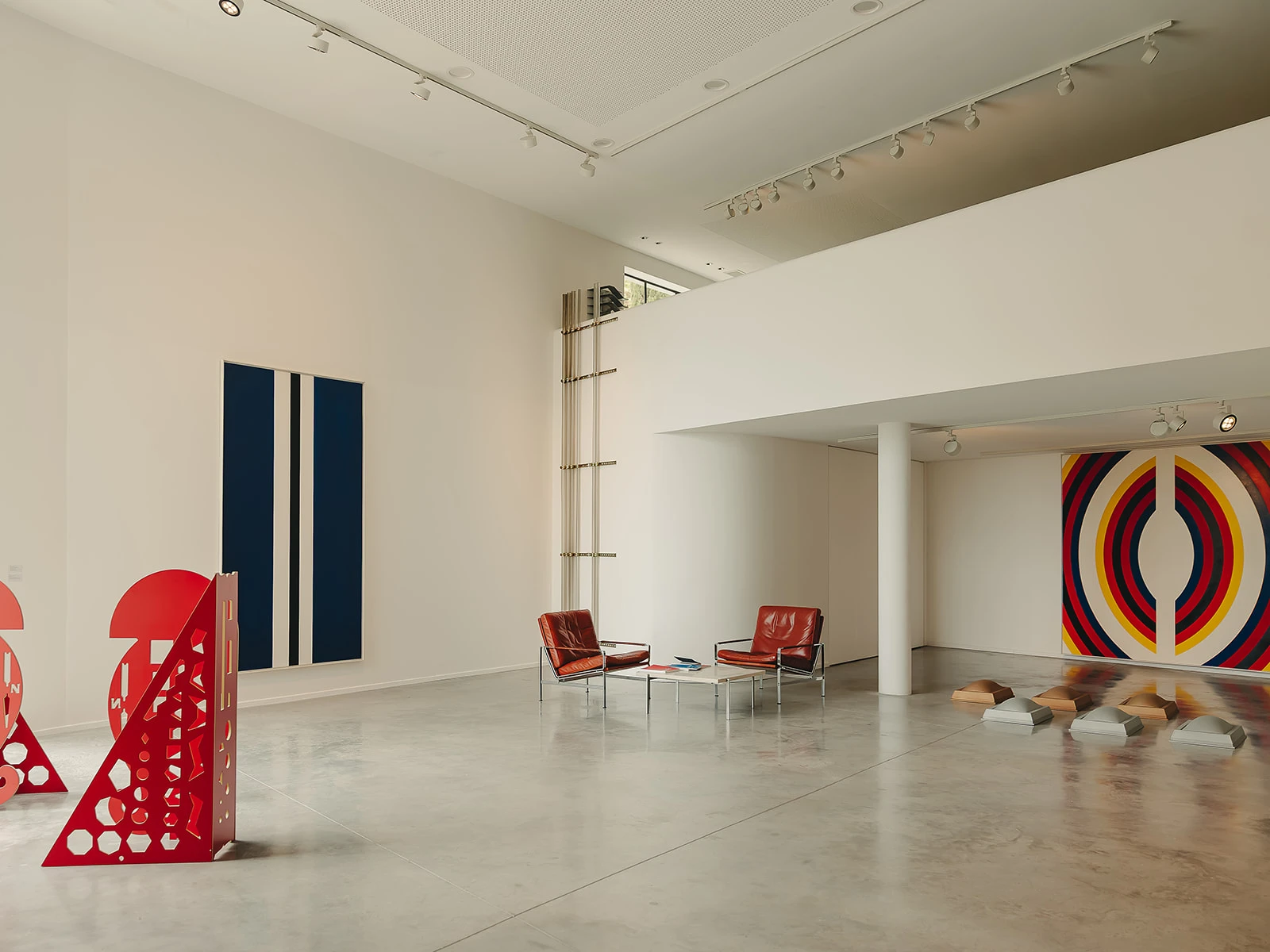
What attracted me was the distinctive nature of the project and the place itself. This is not a conventional exhibition space. There is a close relationship between the artworks, the architecture, the garden and the landscape.
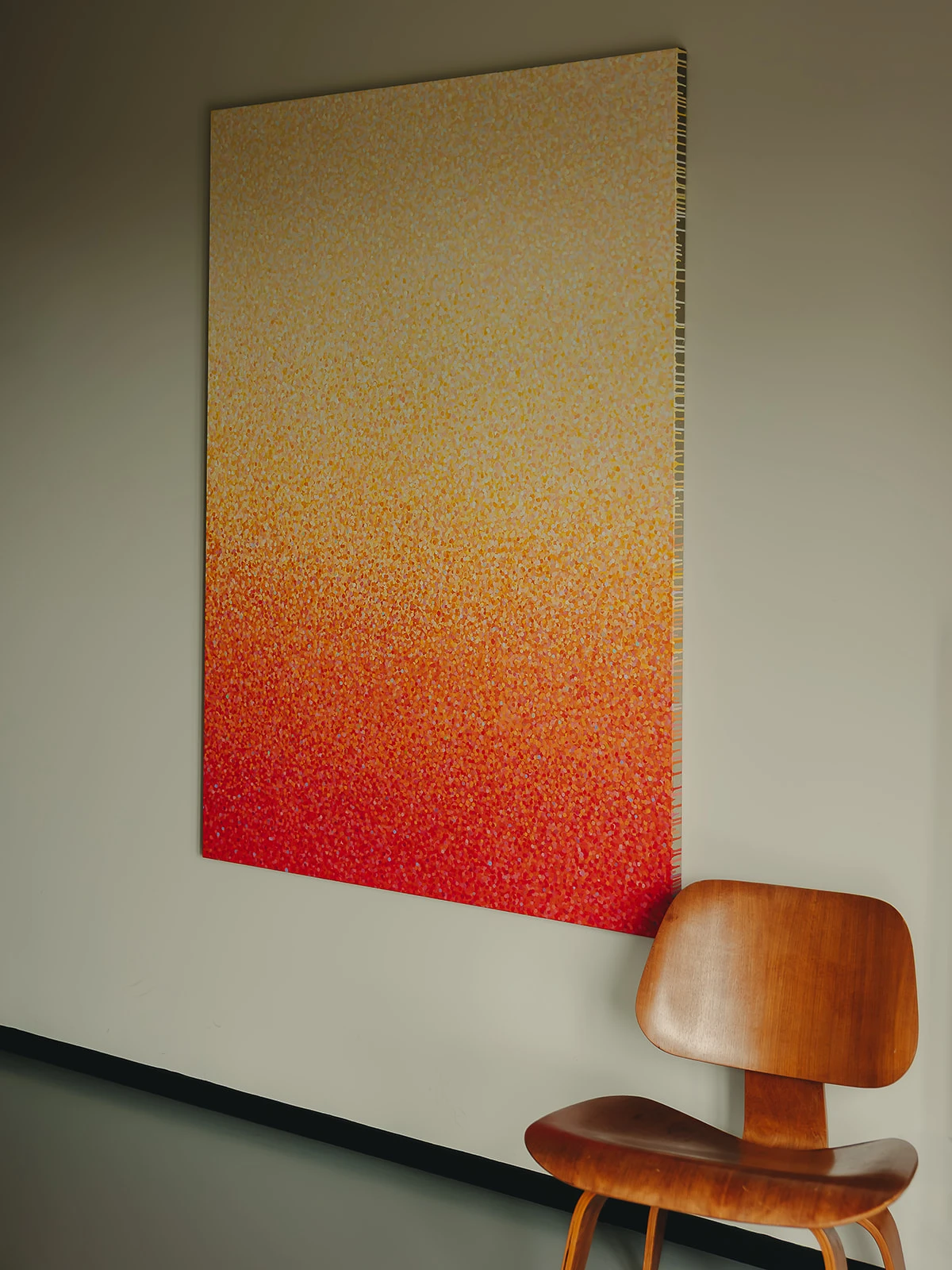
I was also drawn to the vision of Hubert Bonnet and the coherence of his collection. Built over more than twenty years, it reflects a very personal approach to collecting, guided by encounters and discoveries rather than market trends.
What do you think distinguishes Fondation CAB from other art foundations?
I would first point to its deeply personal character. The foundation began in Brussels, where Hubert Bonnet opened the first space in 2012. The Saint-Paul-de-Vence site followed in 2021, with the ambition of creating a broader experience around art and design.
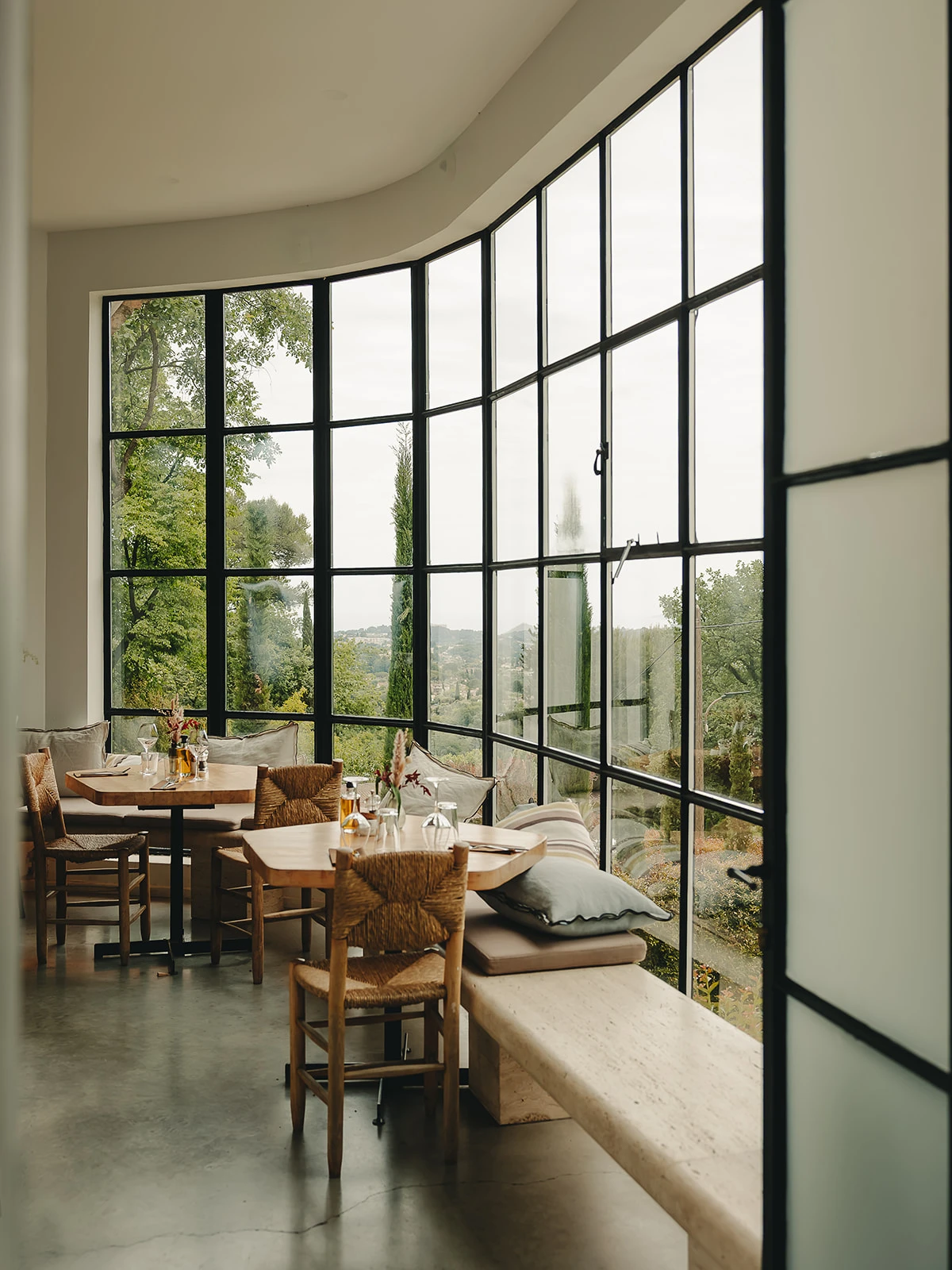
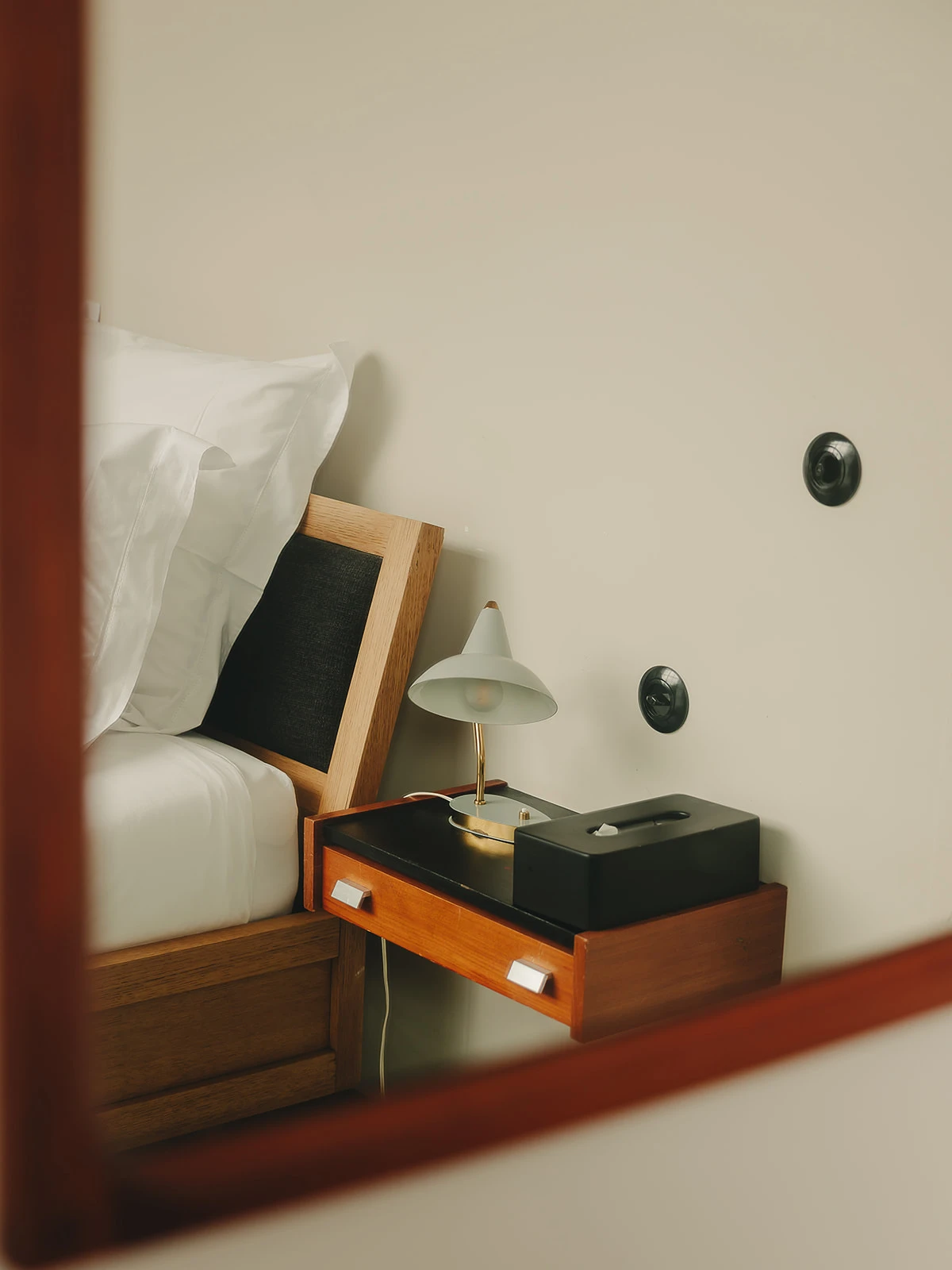
That vision extends throughout the property. SOL, the café-restaurant, was designed by Charles Zana and features furniture by Charlotte Perriand and a work by Sol LeWitt. The five guest rooms also reflect the collection, with pieces by Le Corbusier, Alvar Aalto, Gio Ponti and Pierre Jeanneret.
The idea of encounters runs through the foundation: between artists, designers, architects, collectors and visitors. There is a community of people who share an interest in art and design, and I feel particularly connected to that.
We also want to preserve an intimate scale, with an emphasis on hospitality, sharing knowledge and exchange.
Art in the landscape
The relationship between art, architecture and the landscape is particularly strong here. What does it mean to you?
For me, this is what makes the place feel most alive. An artwork changes according to its surroundings: the space in which it is displayed, the light, the architecture and even the pace at which we discover it.
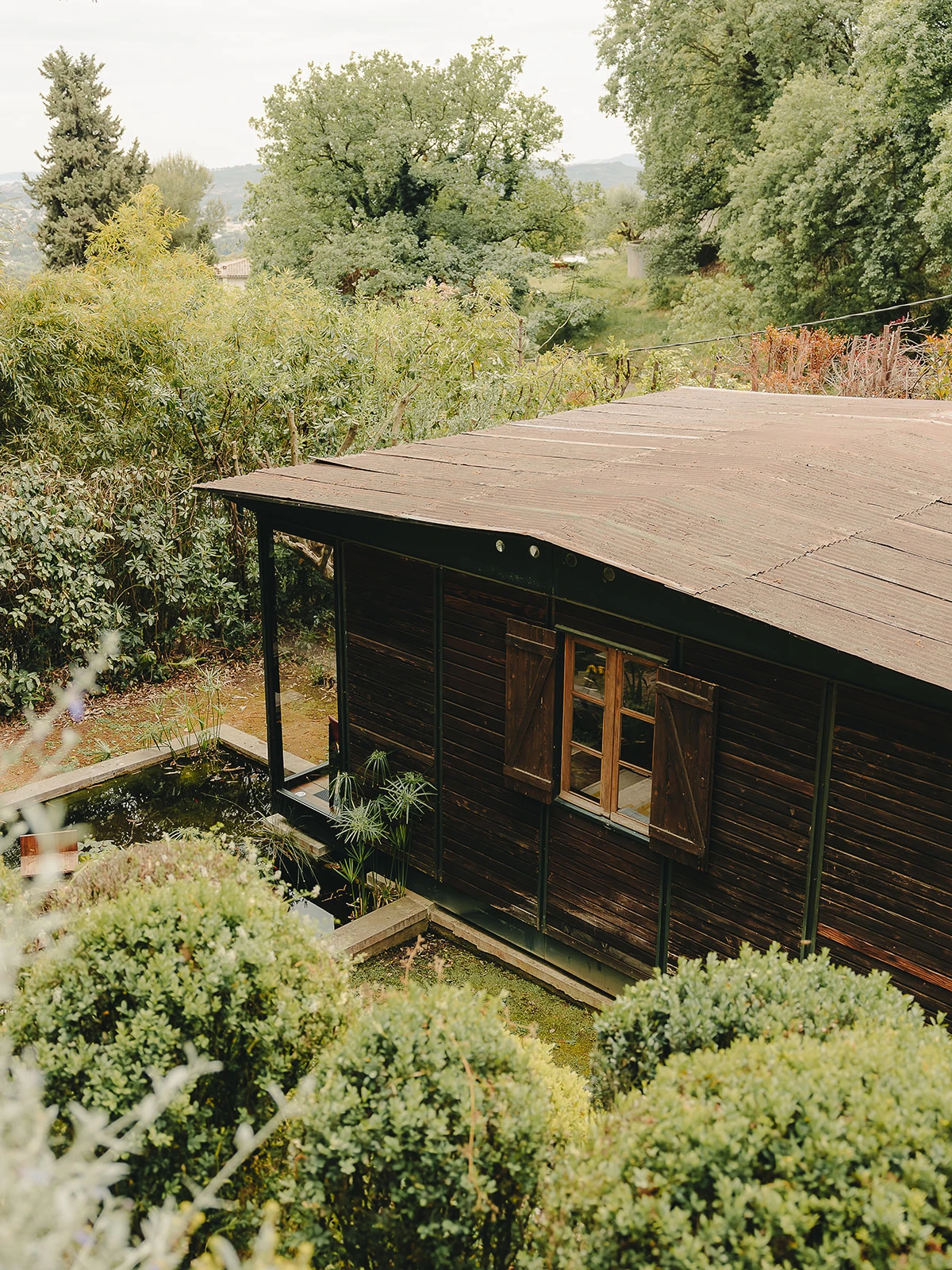
In Saint-Paul-de-Vence, the Mediterranean landscape is ever-present. There is a dialogue between the precision of minimalist works, the simplicity of Jean Prouvé's architecture and the more organic qualities of the garden.
You might move from a work by Dan Flavin or Donald Judd to a Maison Démontable by Jean Prouvé, then walk through the garden and encounter a work by Richard Long or a new piece created by an artist in residence. You are never simply in an exhibition room.
I like the idea that the foundation is experienced through more than sight alone. Its volumes, materials, light and landscape make the experience physical and sensory, allowing a more immediate relationship with art.
For someone visiting Fondation CAB for the first time, what would you recommend?
I would recommend taking the time to discover the foundation as a whole, rather than coming solely to see one artwork or exhibition.
Jean Prouvé's Maison Démontable 6x6, installed in the garden, is a highlight. It offers a direct understanding of the relationship between architecture, design and art that is central to the foundation.
But I would also encourage visitors to slow down and notice how the artworks change with the light, and how they interact with the spaces and landscape. Part of the experience lies in moving between indoors and outdoors.
If time allows, I would extend the visit with lunch at SOL, a coffee in the garden or a stay at the foundation.
Living with a collection
Les Maisons CAB extends this experience beyond the foundation itself. What was the idea behind the project?
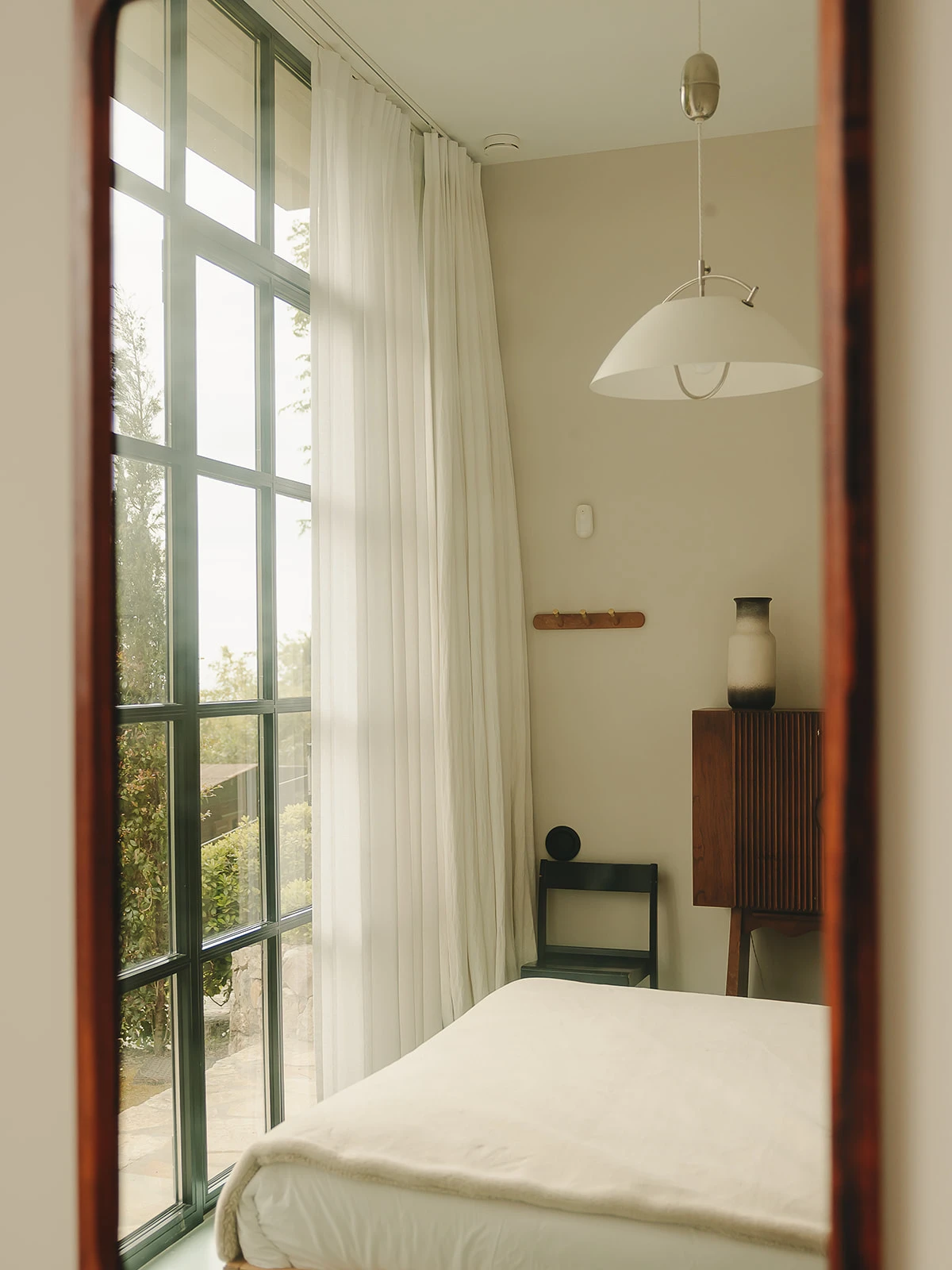
Les Maisons CAB was launched as an extension of the foundation, bringing together Hubert Bonnet's private residences, which are available to rent. The idea is to allow people to experience art, design and architecture more intimately during a stay.
It is a parallel project to the foundation, sharing the same spirit as our guest rooms in Saint-Paul-de-Vence. We want to extend the relationship with art beyond the exhibition space and allow people to inhabit a collector's world.
The aim is not simply to bring together beautiful houses or collectible furniture. It is to create an environment in which different periods, architectural forms, artworks and landscapes coexist.
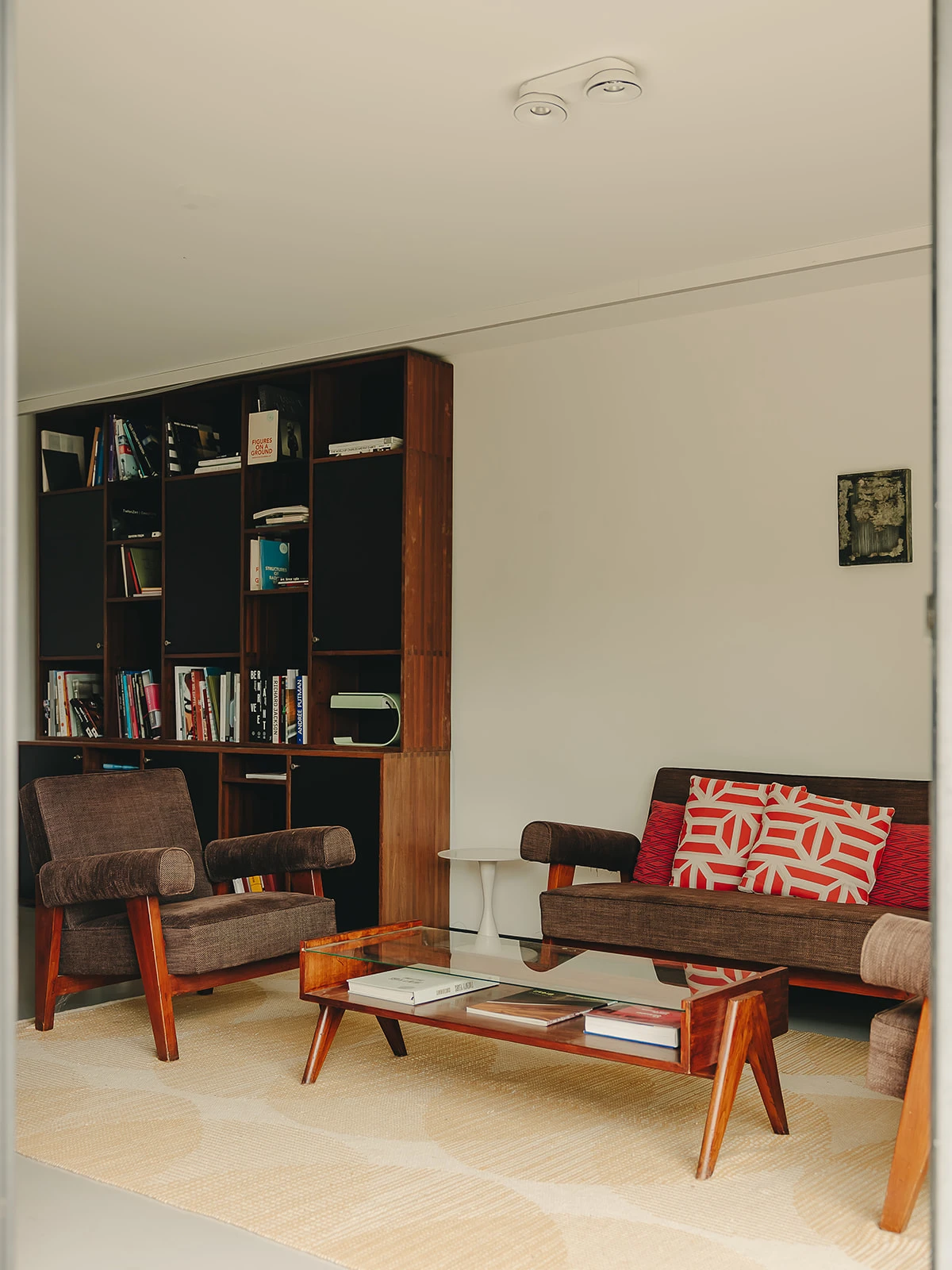
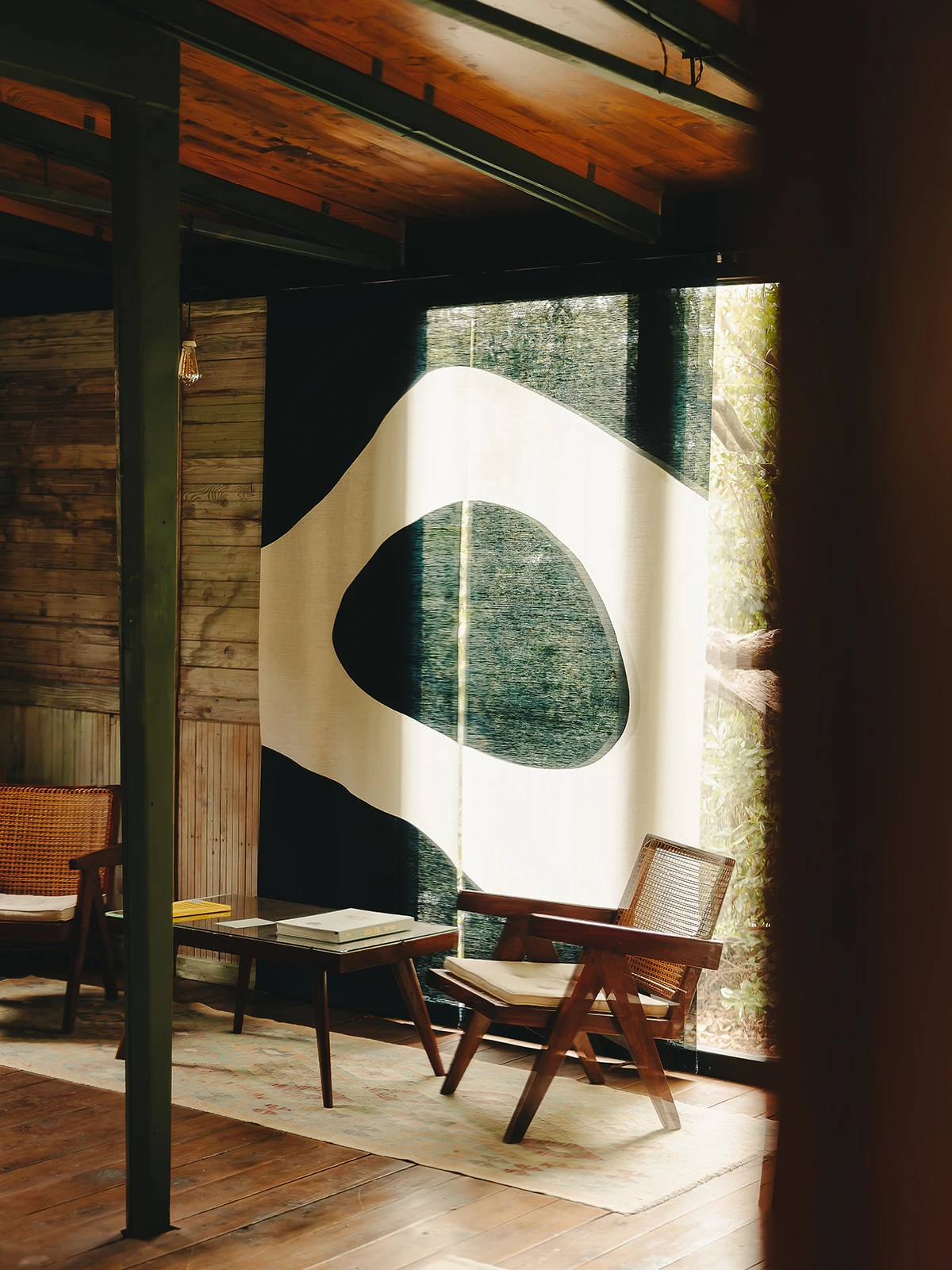
Ultimately, we want people to live alongside architecture, design and art rather than simply contemplate them. You can stay in a house designed by Jean Prouvé, live with artworks and collectible furniture, and wake up surrounded by the landscape of Saint-Paul-de-Vence.
Two new houses, Clos Père François and Maison Prouvé 1958, have recently joined the collection. What makes this pairing interesting?
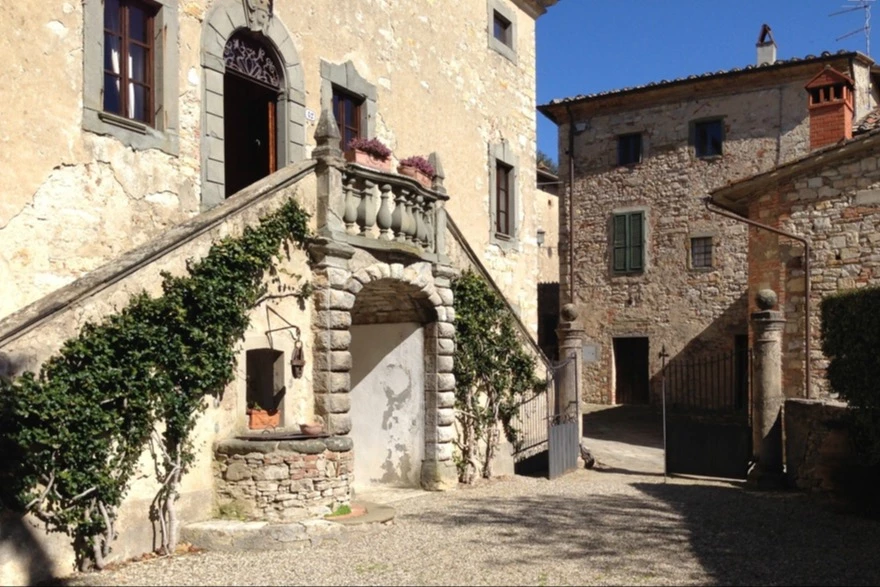
Clos Père François is a former nineteenth-century Provençal farmhouse with five bedrooms, set in a Mediterranean landscape. Maison Prouvé 1958 offers a very different architectural perspective. Originally built in Alsace, the house was dismantled and reconstructed on the grounds of Clos Père François in Saint-Paul-de-Vence. It has two bedrooms and a kitchen designed by Le Corbusier and Charlotte Perriand.
What I find particularly interesting is the way these two architectural styles, which initially seem so different, come together. On one side, there is a traditional Provençal farmhouse; on the other, the radical design and structural ingenuity of Jean Prouvé.
The landscape and the art create a dialogue between them. Overlooking the swimming pool, a mural by Claudia Comte introduces a contemporary intervention at the heart of the estate, connecting the architecture, garden and collection.
These two houses express what we are trying to do with Les Maisons CAB: offer a more intimate, everyday way of engaging with art. We now have twelve houses across nine destinations, each offering a different opportunity to experience architecture, design and art as part of daily life.
Rather than simply visiting a collection, guests can spend time within it. For me, that is what makes the project distinctive.
Stay at one of the places from Fondation CAB

 All articles