





What happend to San Remo?
There are places that disappoint you because they were overhyped. And then there are places like Sanremo, which unsettle you for a completely different reason: because you can still see how beautiful they once were.
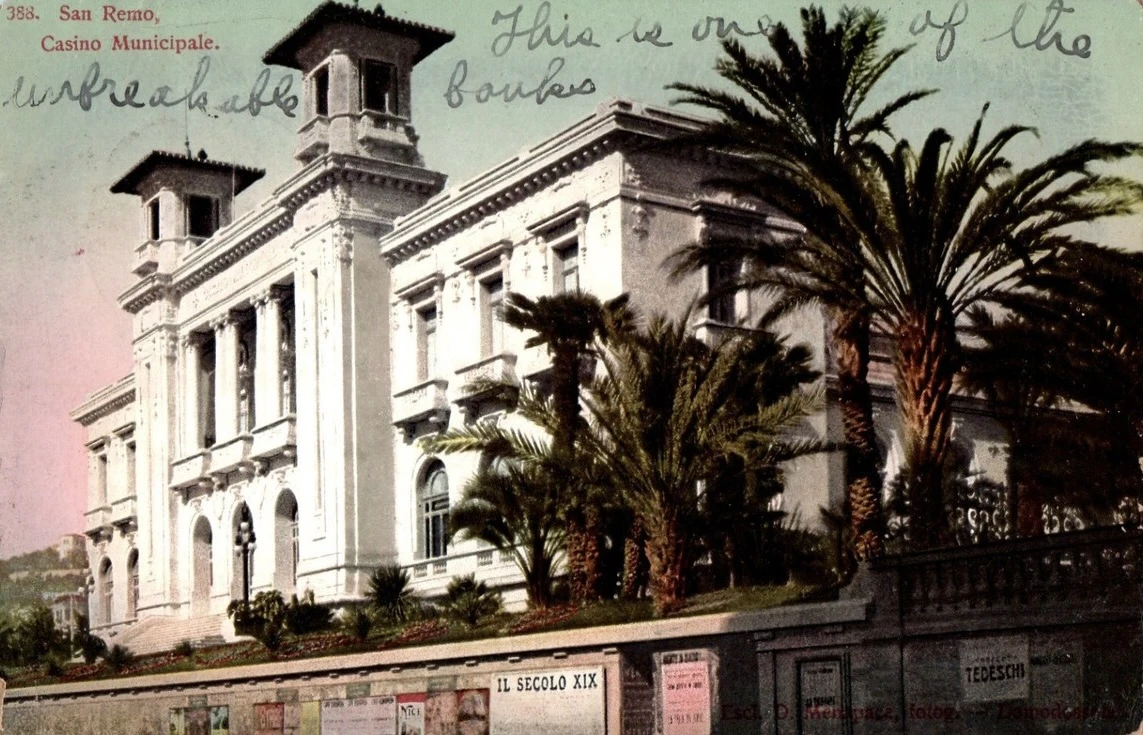
You arrive expecting faded glamour. What you do not expect is the strange emotional dissonance of the place. The palm trees are still there. The Belle Époque hotels still stand, slightly softened by time. Elderly women in dark sunglasses move slowly along the promenade as if choreography has not changed in decades. There is a casino, an old aristocratic quarter, sweeping staircases, and sea views that still manage to flatter everything they touch.
And yet, somewhere between all of this, a question quietly forms:
What happened here?
Not in the dramatic sense. San Remo was not destroyed by war or collapse. It did not fall into abandonment or danger. Life continues with quiet precision. Cafés open in the morning. Apartments are lived in. People shop, cycle, tend to their routines. The city functions entirely normally.
But culturally, aesthetically, almost emotionally, it feels suspended.
San Remo was once one of Europe’s great winter destinations. In the late nineteenth and early twentieth century, aristocrats, Russian nobility, artists, and wealthy northern Europeans came here in search of light and mild air. Before luxury meant remote islands or far-flung places, it meant wintering on the Italian Riviera. There were orchestras in grand hotels, manicured gardens, formal promenades, and a very particular European elegance; composed, social, slightly theatrical.
Then history moved on…
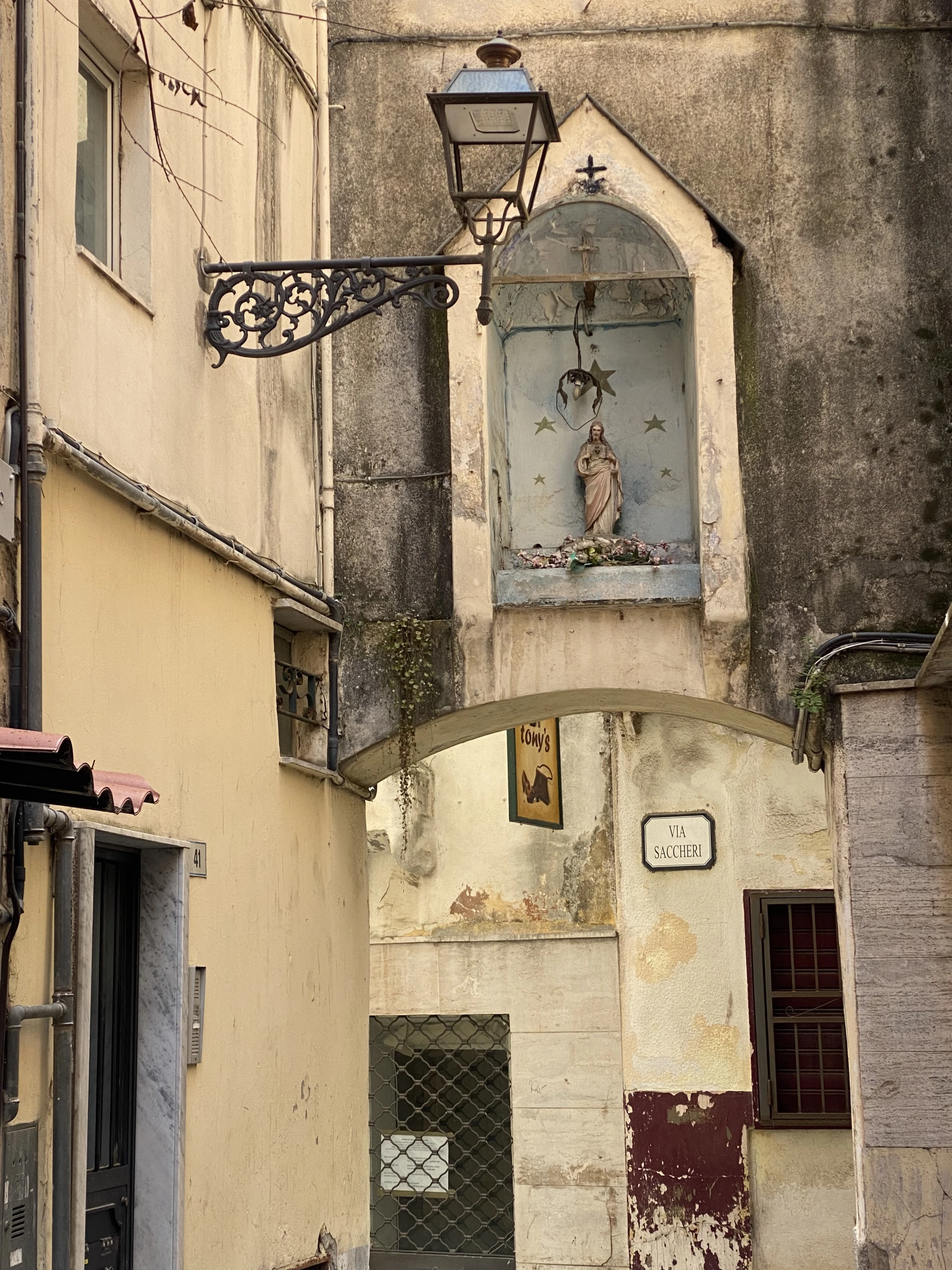
Air travel redrew the map of desire. The aristocratic winter season dissolved. The Riviera lost its monopoly on elegance. Some places reinvented themselves as ultra-luxury enclaves. Others transformed into cultural capitals, with galleries, chefs, design, and a younger generation reshaping old structures into something contemporary.
Sanremo did neither.
And that is what makes it so unusual today.
Because the ingredients are still there. The climate is beautiful and mild. The architecture still has structure and grace beneath the wear. The surrounding landscape is rich with olive groves, herbs, lemons, and flower farms that once supplied Europe’s imagination of Riviera living. It sits precisely on the fault line between Italy and France, between refinement and rawness, between nostalgia and possibility.
Yet the city often feels oddly untouched by reinvention.
Not preserved, and not exactly neglected, but emotionally unmaintained. As if no one ever fully decided what it should become next.
There are restaurants in extraordinary positions serving unremarkable food. Grand hotels with faded ambition. Beautiful façades interrupted by indifferent renovation. Streets that seem to hold the memory of something far more animated than what currently takes place there.
Even its remaining glamour feels incidental rather than cultivated.
And perhaps that is why San Remo fascinates.
Because it refuses easy categorisation. It is not ruined enough to become romantic decay. Not polished enough to reclaim aspirational luxury. Not dynamic enough to signal reinvention. It exists in a quieter, more ambiguous state, neither headline nor ruin, neither myth nor destination.
It simply continues…
There is something deeply Italian in that continuity. A kind of resistance to reinvention as performance. San Remo does not package itself for external desire. It does not curate its own identity in the way contemporary destinations often feel compelled to do. It remains, instead, stubbornly itself; without commentary.
The irony is that travellers searching for “authenticity” may find something more complex here precisely because of that absence of orchestration.
San Remo requires attention and then you begin to notice the details: Liberty railings curling into rust, pastel shutters softened by salt air, empty terraces that once held orchestras and champagne.
Slowly, you start to imagine the city more than you consume it.
And perhaps that is its most lasting effect.
A place that exists slightly out of sync with its own history, and therefore leaves room for projection, memory, and doubt.
Because beneath the faded façades and the quiet present lies a question that feels increasingly rare in Europe:
What happens to beautiful places when history quietly moves on, and no one quite decides what should come next?
A few things I can recommen:
EAT
Pasta Madre
Via Corradi, 54
Good for a quick stop in the historic centre. Alongside well-made focaccia, there is sardenaira in the Ponente tradition and vegetable tarts. A few tables inside and outside.
Ipazia Cibi e Libre
Via Corradi, 64
Ligurian cuisine with a discreet creative touch. A characteristic, welcoming place that remains contemporary without excess. The menu is short, but carefully composed: borage tagliatelle, lean ravioli, cappon magro, brandacujun, Sanremo-style rabbit.
It is not easy today to find a place in the centre of Sanremo that offers well-executed cuisine without leaning into tourist conventions, while still interpreting the traditions of western Liguria with lightness and precision.
Located in a former bookshop, the space is small, with just a few tables, creating an informal atmosphere. Service is very friendly and well informed.
Chef-owner Marco Cassini works from an open kitchen, focusing on seasonal ingredients and a short menu that changes accordingly. Dishes often include brandacujun, cappon magro, octopus with potatoes, ravioli with ricotta and spinach, and stuffed anchovies. Starters may include farinata or sardenaira. Bread, focaccia and fresh pasta are made in-house.
The wine list is small, with a selection that includes natural producers.
SHOP
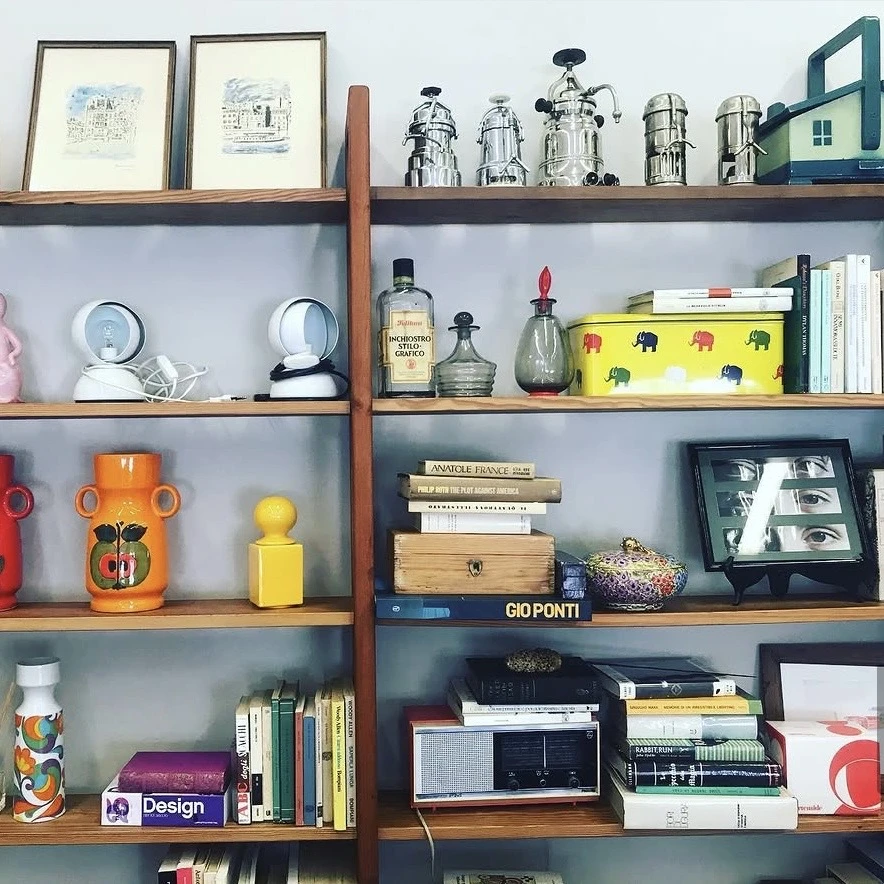
Shopping at Unconventional Design: vintage and retro design
Via Fiume 2, San Remo | instagram @unconventional.design
CYCLING
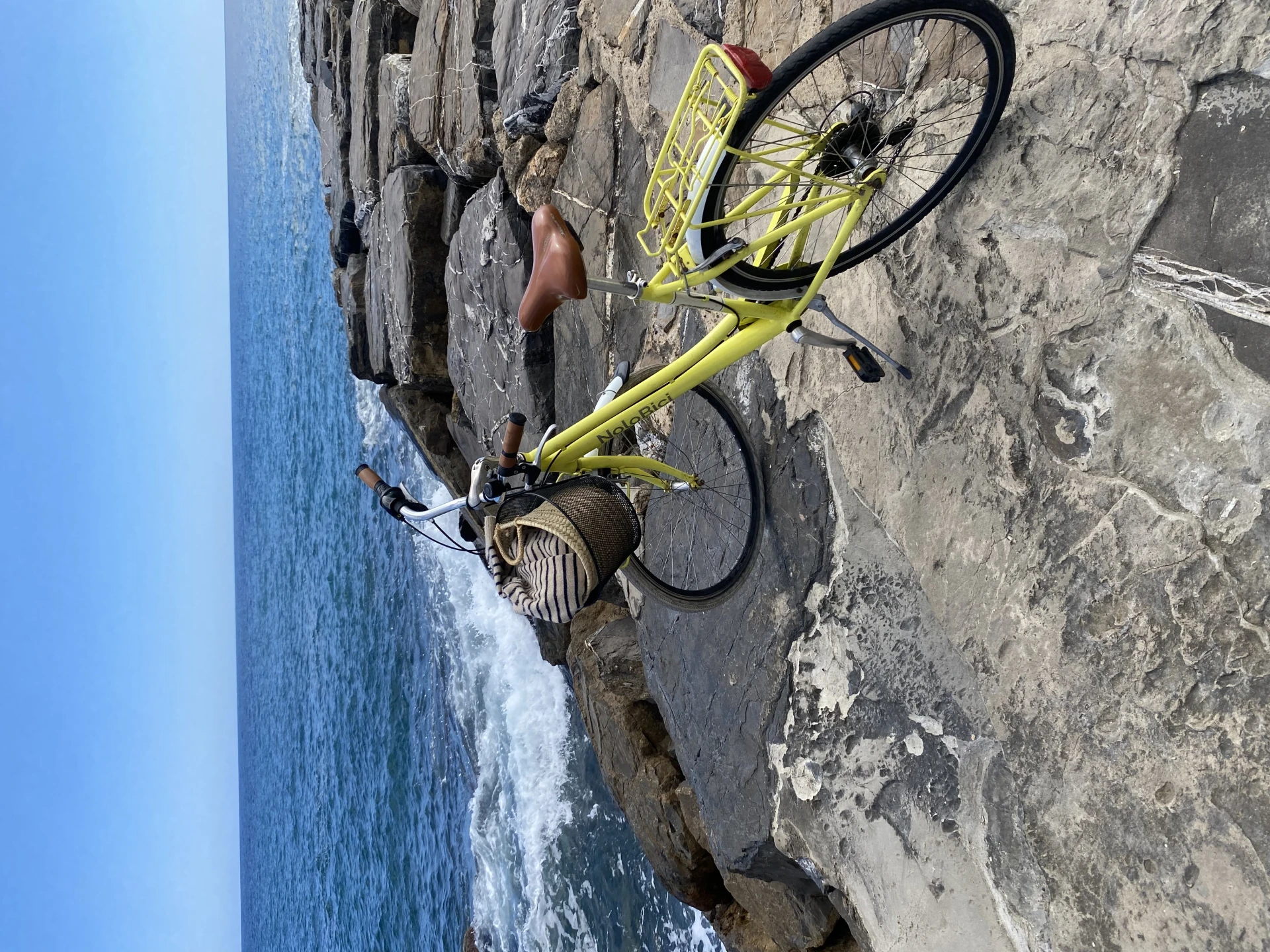
Cycling: Near the old railway station, you can rent bicycles. In Sanremo, the tracks of the former train line have been removed and the route reimagined as a coastal cycling path that now runs unbroken towards Imperia and, further on, Genoa.
 All articles