




Reimagining Contemporary Italian Living
In the hills of Le Marche, a former convent becomes a living model for a slower, more intentional way of life.
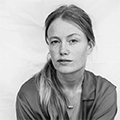
Plinius sat down for an interview with Francesca Ciaudano, the owner and creative mind behind Casa Janna, to talk about her different approach to hospitality which increasingly is shaped by standardised luxury and performative wellness. Casa Janna is taking a different direction!
Located in the rural hills of Le Marche, Casa Janna is not positioning itself as a traditional retreat, hotel, or restaurant. Instead, founders Francesca and Giorgio are building what they describe as “a contemporary culture of living,” where food, creativity, hospitality, regenerative agriculture, aperitivo culture, and wellbeing exist as part of one coherent everyday system.
The project is rooted inside a restored former convent in the countryside near San Ginesio, a region historically connected to the origins of the Mediterranean Diet. Here, guests encounter a way of living shaped by shared tables, handmade food, slow rhythms, creativity, and direct connection with the land.
“At a certain point, we realised we were not creating a hospitality concept,” says Francesca. “We first changed our own lives. We left cities, rebuilt an abandoned place with our hands, started growing food again, cooking differently, slowing down, reconnecting with creativity and the land around us. Casa Janna came later. What guests experience here is simply the life we chose to build for ourselves first.”
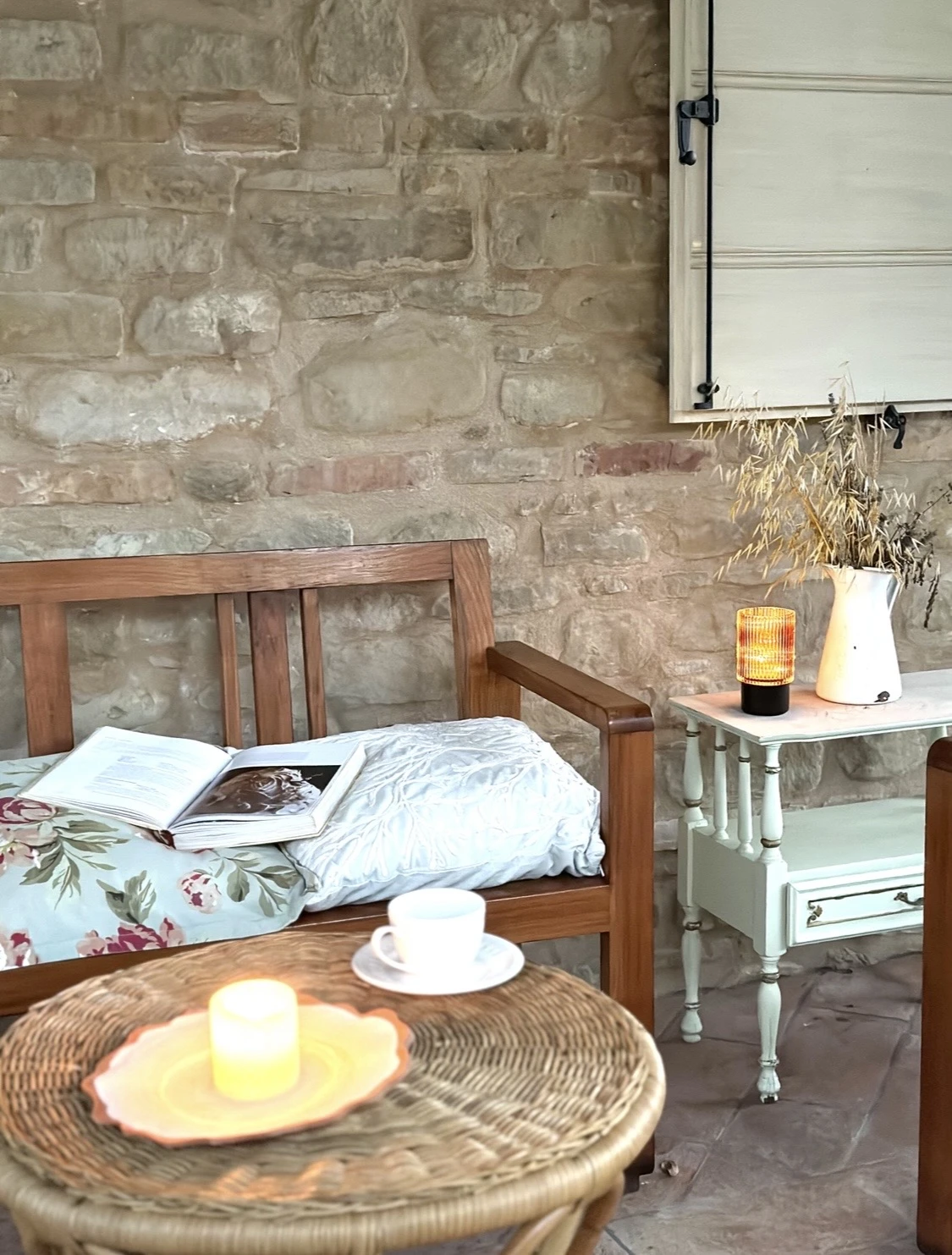
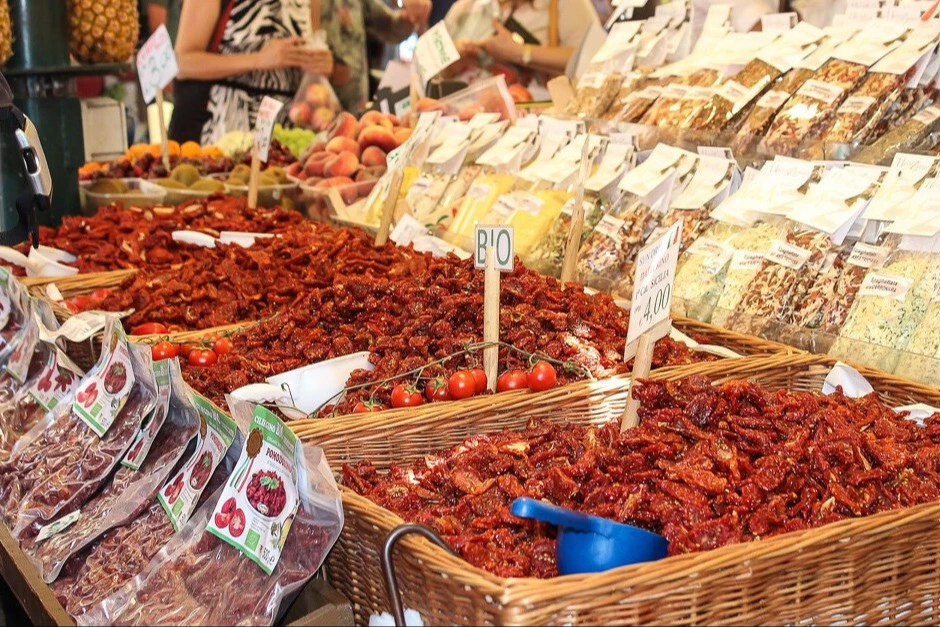
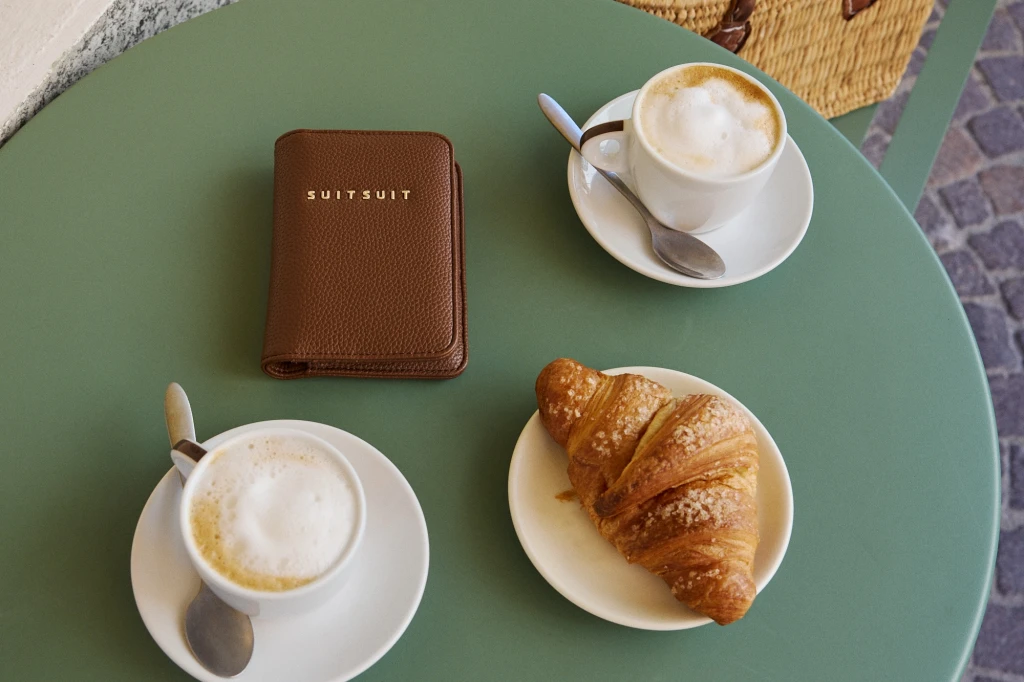
Unlike many hospitality concepts centred around escape or luxury performance, Casa Janna focuses on everyday rituals reinterpreted through a contemporary lens. Breakfast is treated as a cultural moment rather than a hotel service. Dinners happen around one communal table on selected evenings only. The property’s regenerative garden shapes part of the cooking. Aperitivo becomes a form of storytelling and social ritual. Art and sound healing are integrated as tools for attention, presence, and emotional restoration.
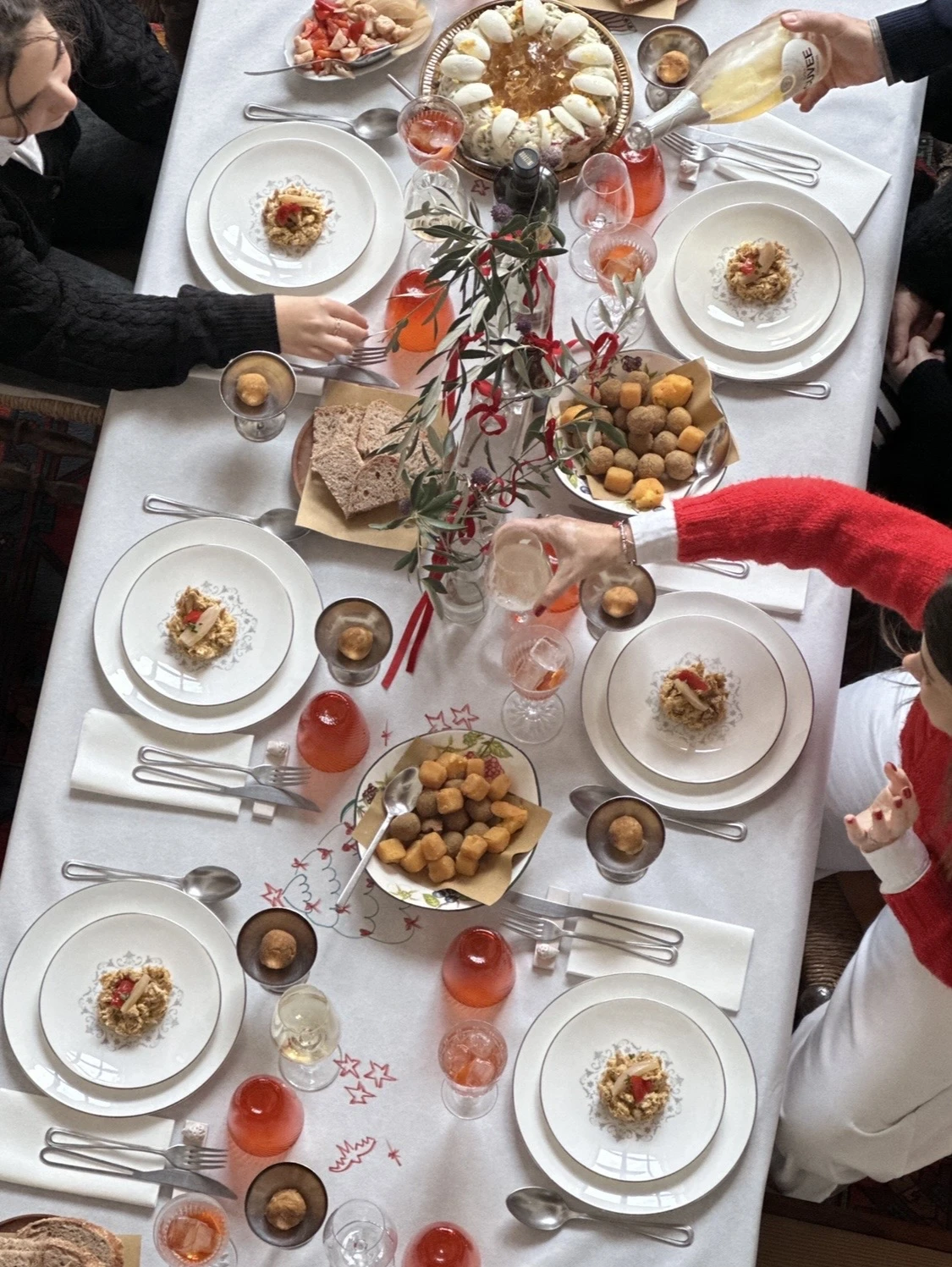
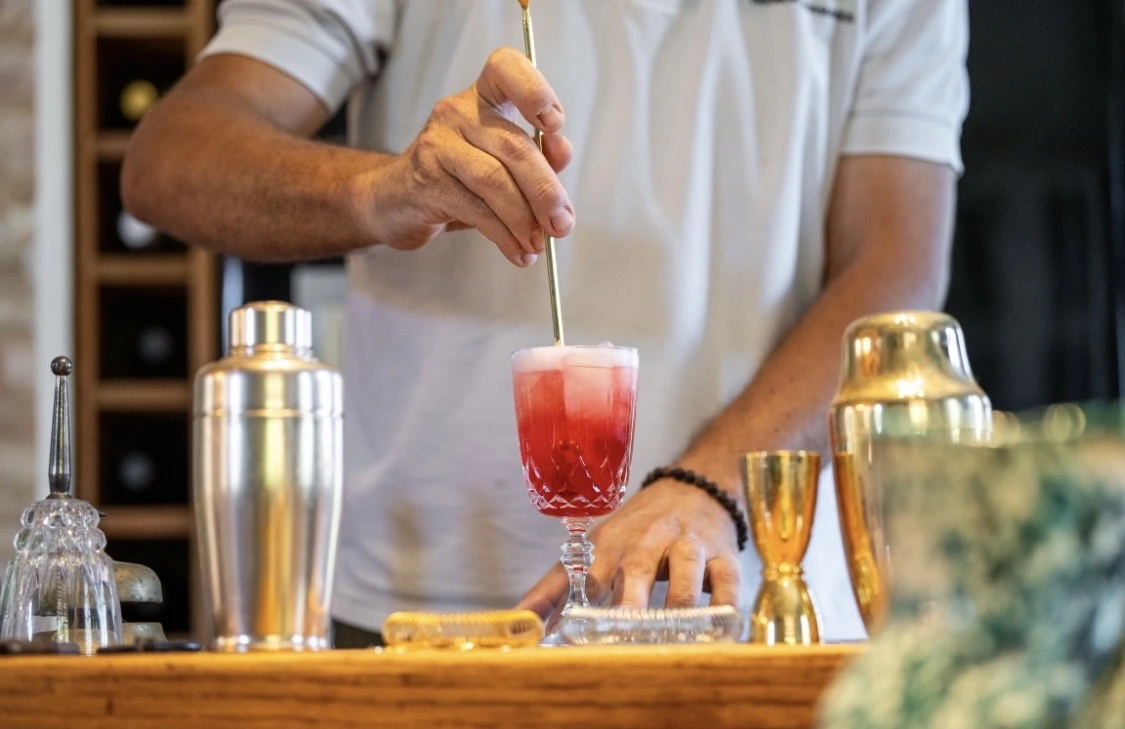
The food offering is organised around “The Casa Janna Table,” a series of small gatherings that include shared countryside dinners, seasonal cooking sessions, and Marche Classics aperitivo evenings created by Giorgio, co-founder of House of Negroni.
The project combines Italian family recipes, local ingredients, cocktail culture, ancient grains, and contemporary hospitality aesthetics into what the founders describe as “Italian table culture for a new generation.”
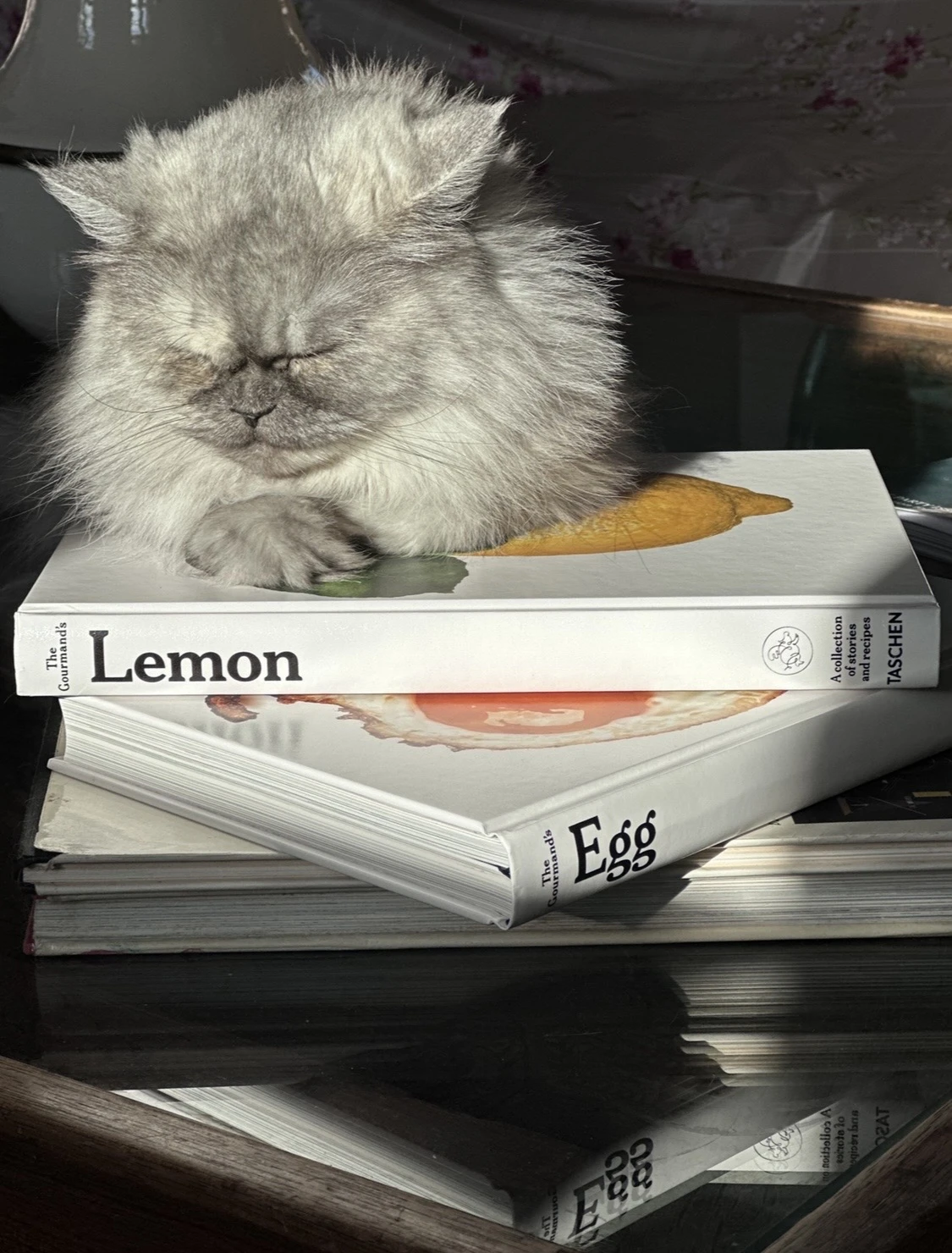
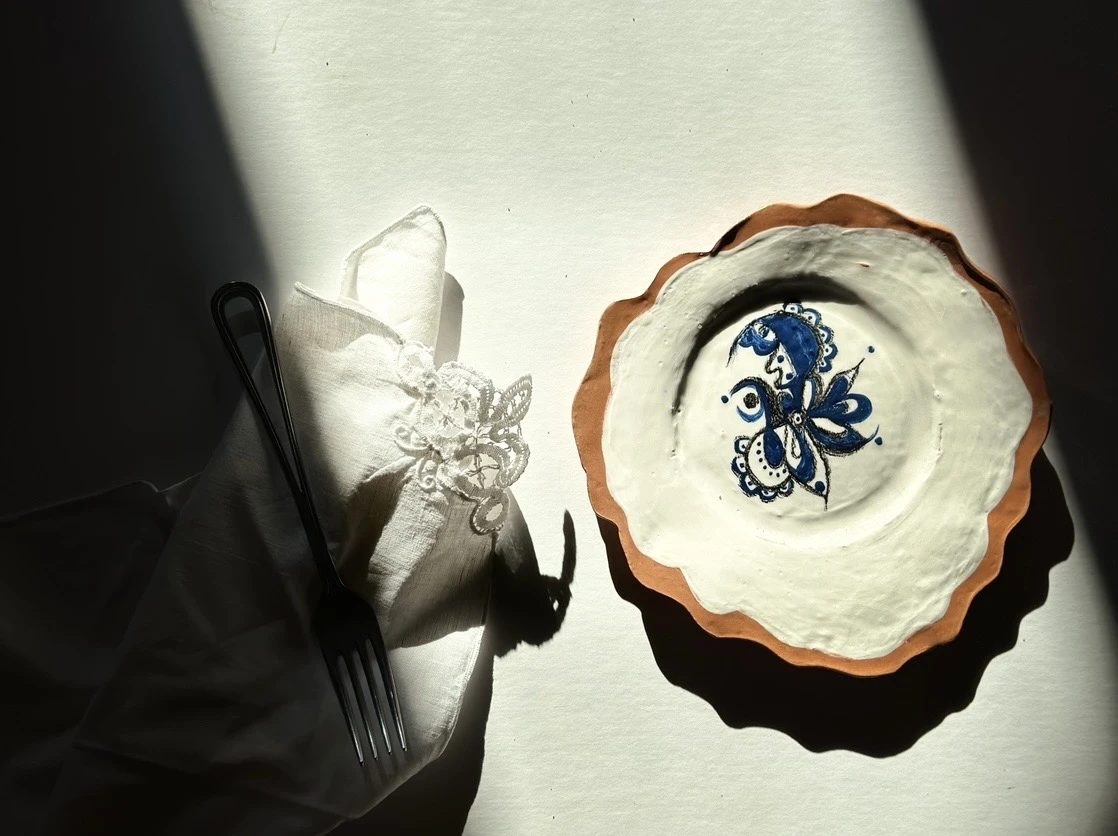
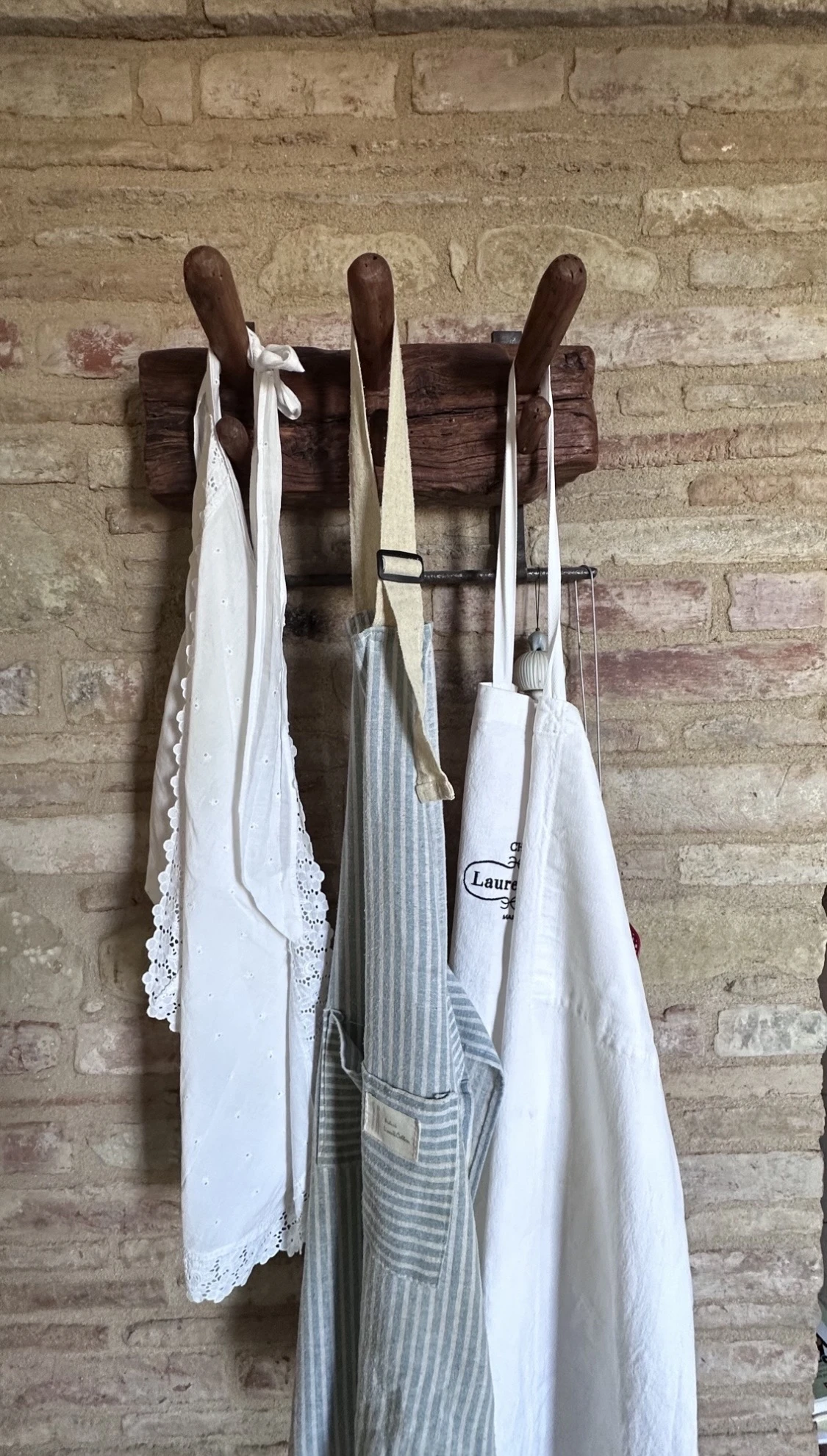
The visual and spatial identity of Casa Janna also reflects this philosophy. The interiors were developed using principles of neuroaesthetics, blending natural materials, light, silence, books, ceramics, sound, and landscape to create environments that support calm, creativity, and deeper sensory connection.
As interest grows globally around slower living, domestic hospitality, communal dining, regenerative food systems, and culturally rooted travel, Casa Janna positions itself at the intersection of these movements while remaining deeply tied to the realities of rural Italian life.
Rather than scaling through volume, the project intentionally remains small. The guesthouse hosts a maximum of eight overnight guests and most food gatherings happen around a single shared table.
“What we are interested in is not luxury in the traditional sense,” says Francesca. “We are interested in depth. Fewer people, more presence. We believe people are looking for places that feel genuinely lived in again.”
Beyond hospitality, Casa Janna is evolving into a wider cultural project that includes retreats, communal dining, aperitivo culture, regenerative food practices, ceramics, art, and educational experiences rooted in intentional living.
At a moment when many hospitality brands are competing to offer more, Casa Janna is building its identity around something increasingly rare: coherence, presence, and kindness.
Not kindness as service language, but as a slower and more attentive way of hosting, cooking, gathering, and living alongside others.
For more information about Casa Janna, click here

 All articles