





Fondation CAB
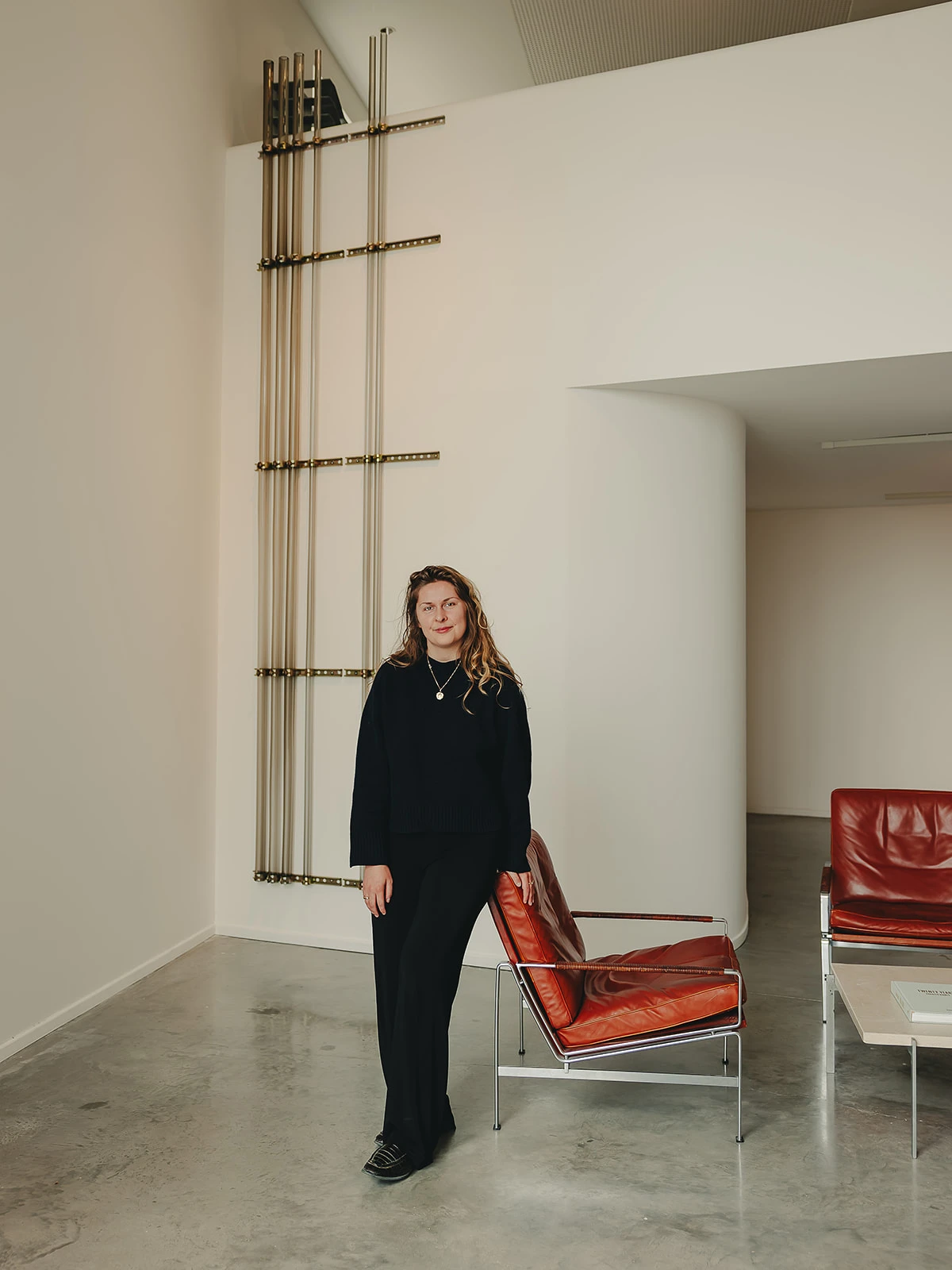 There is a very different side to Saint-Paul de Vence once you leave the medieval village behind. A short walk uphill brings you to Fondation CAB, a 1950s building surrounded by gardens with views towards Cap d’Antibes. It is one of those places where the building itself is worth coming to see, before you even start looking at what is on the walls. The building was completely renovated by French architect and interior designer Charles Zana, who has given the foundation a quiet, almost residential quality.
The foundation was established by Belgian collector Hubert Bonnet, who began building his collection around Minimalist and Conceptual art in the 1970s. The Saint-Paul de Vence foundation is the second home of his collection, following the original Fondation CAB in Brussels. The collection centres on artists who challenged the traditional idea of what art could be, stripping things back to form, geometry, repetition, materials and space. Think Carl Andre, Donald Judd, Sol LeWitt, Dan Flavin and Joseph Kosuth, among others. It is art that asks you to look differently at the room around it: a steel structure, a repeated form or a simple geometric arrangement can become the work itself.
The exhibitions change throughout the year, with the foundation also inviting artists and curators to create new exhibitions around its collection. There are winter residencies too, so the programme is not simply a presentation of the permanent collection but something that continues to evolve. I like that distinction: you can come back and see the same building and the same collection through a completely different lens.
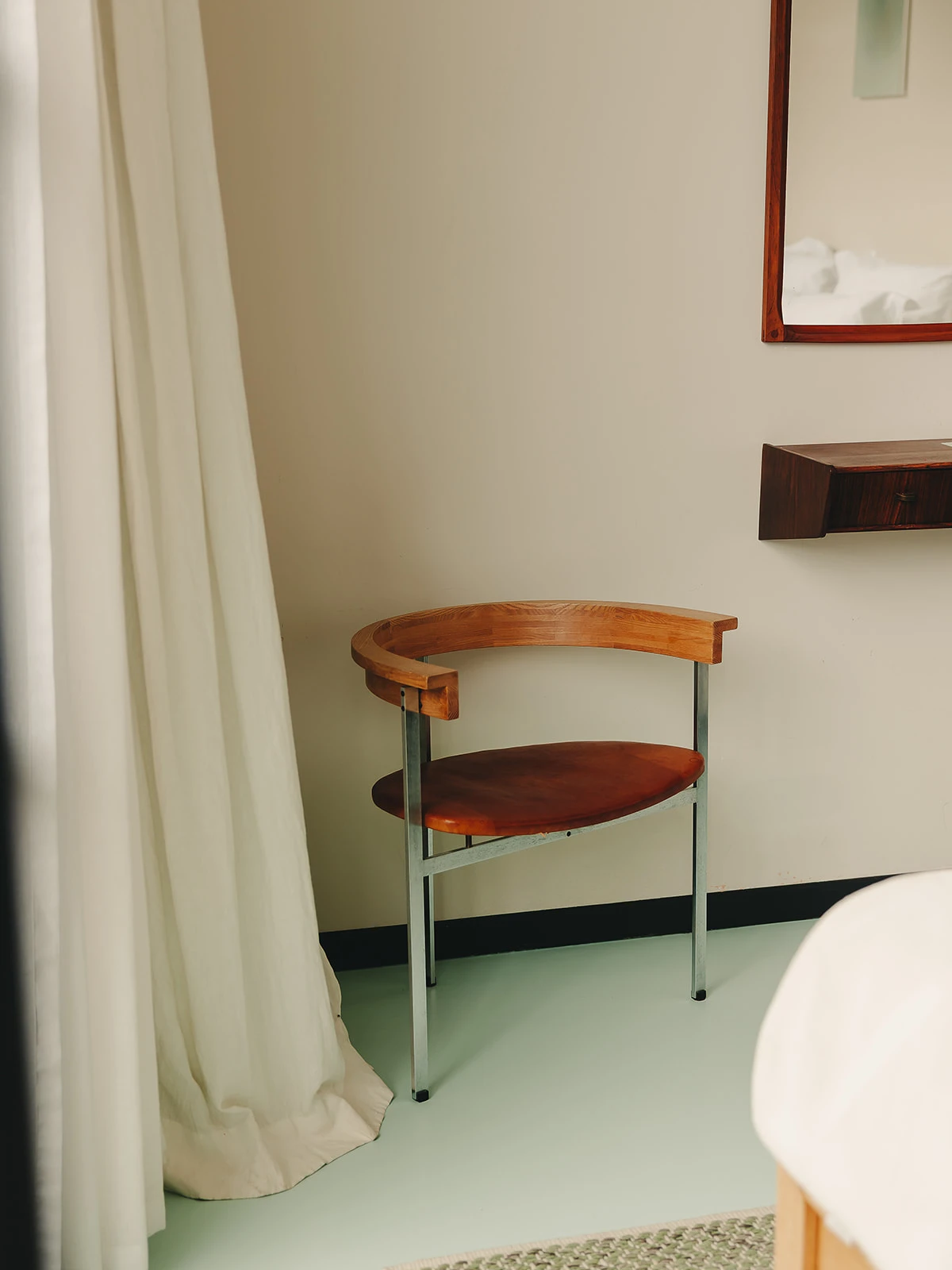
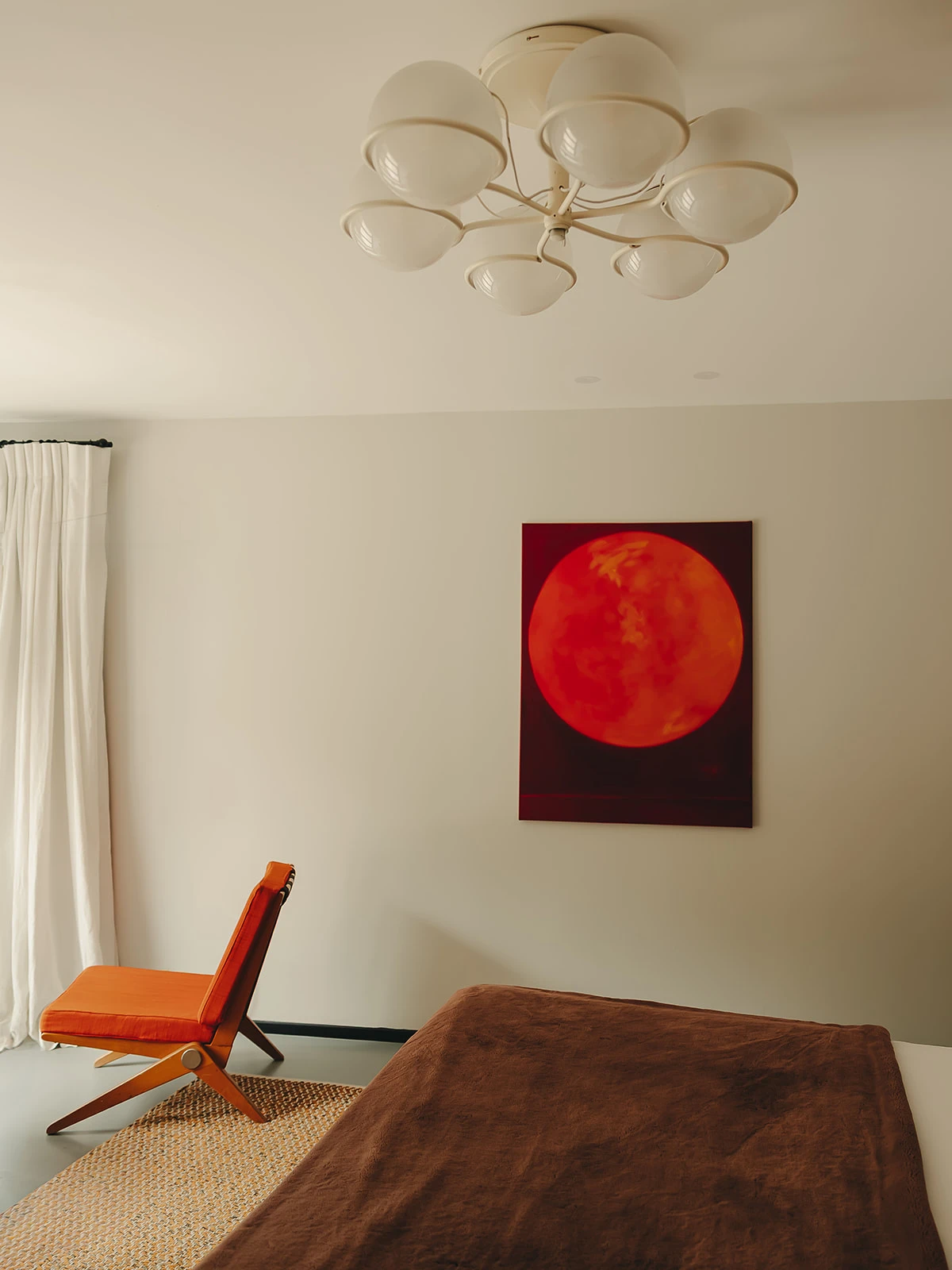
Then there is the design. This is where I think CAB becomes particularly interesting. The furniture is part of the collection and part of the experience of the building. Paul Kjærholm and Fabricius & Kastholm appear in the exhibition spaces; Pierre Jeanneret and Jules Wabbes in the reading room; and Charlotte Perriand's furniture sits beneath the citrus trees at SOL, the foundation's restaurant.
If you know your 20th-century design, there are plenty of names to stop you in your tracks. If you don't, it is still an unusually good place to see how art, architecture and furniture can sit together without one competing with the other.
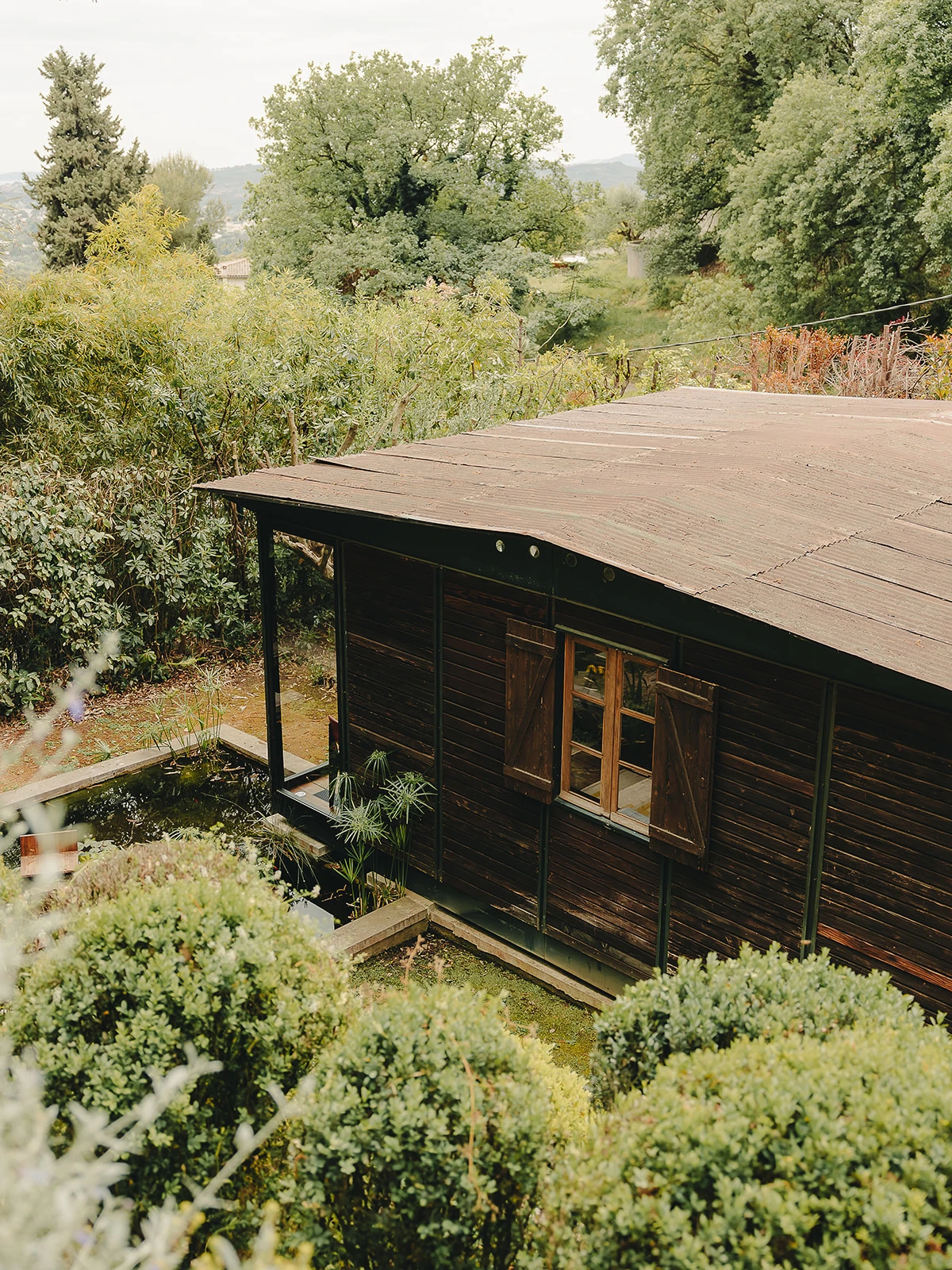
Jean Prouvé's Maison Démontable 6×6.
This is the part I find particularly fascinating. Prouvé designed the house in 1944, at the end of the war, as an answer to a very practical problem: how to house people whose homes had been destroyed, quickly and economically. The 36-square-metre houses were prefabricated from lightweight steel and wood and designed to be assembled, dismantled and moved. Around 450 were commissioned for the post-war reconstruction of Lorraine and Franche-Comté. What was once emergency housing is now highly sought-after 20th-century architecture, with surviving examples appearing in important private and institutional collections.
And at Fondation CAB, you can actually go inside one.
Better still, you can sleep in it.
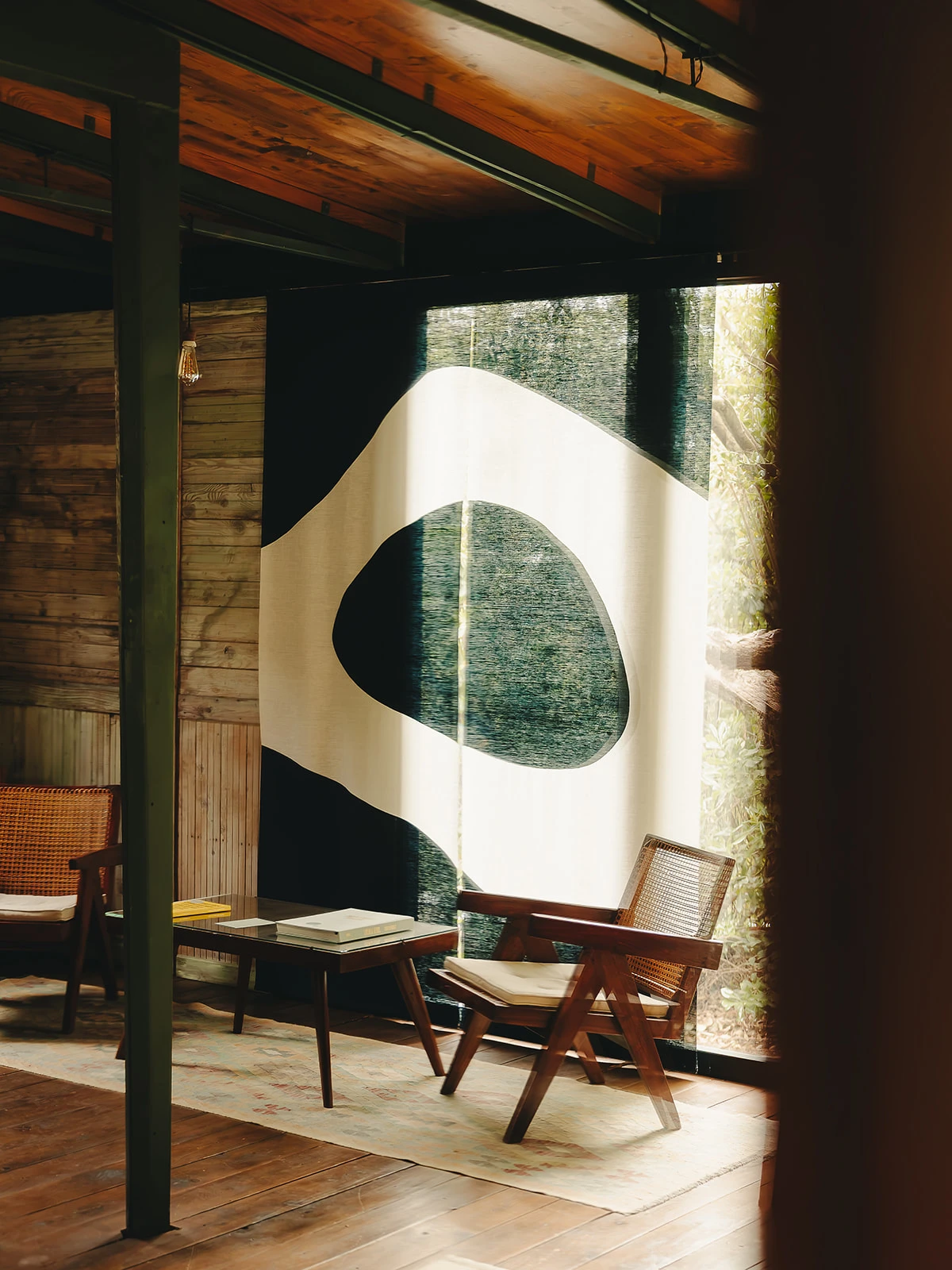
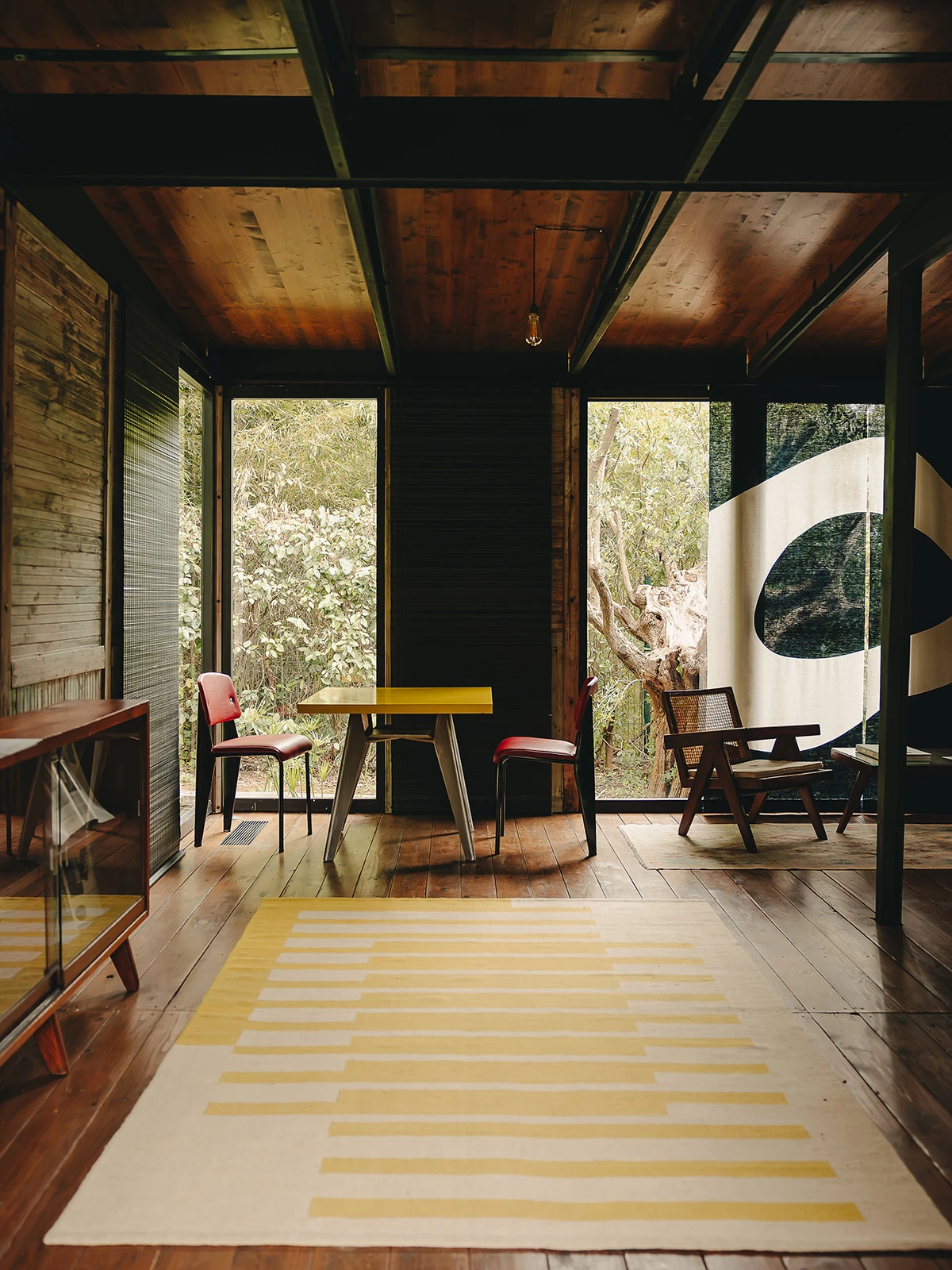
The 1944 house has been carefully adapted into a double room, keeping its original structure and Prouvé furniture. The bathroom sits separately, so you actually step outside and walk through the garden to reach the shower. Charles Zana designed the addition in the spirit of Prouvé's original architecture. It is a remarkable thing to be able to experience: a piece of post-war architectural history that you would normally encounter in a museum, archive or collector's home becomes somewhere you can spend the night.
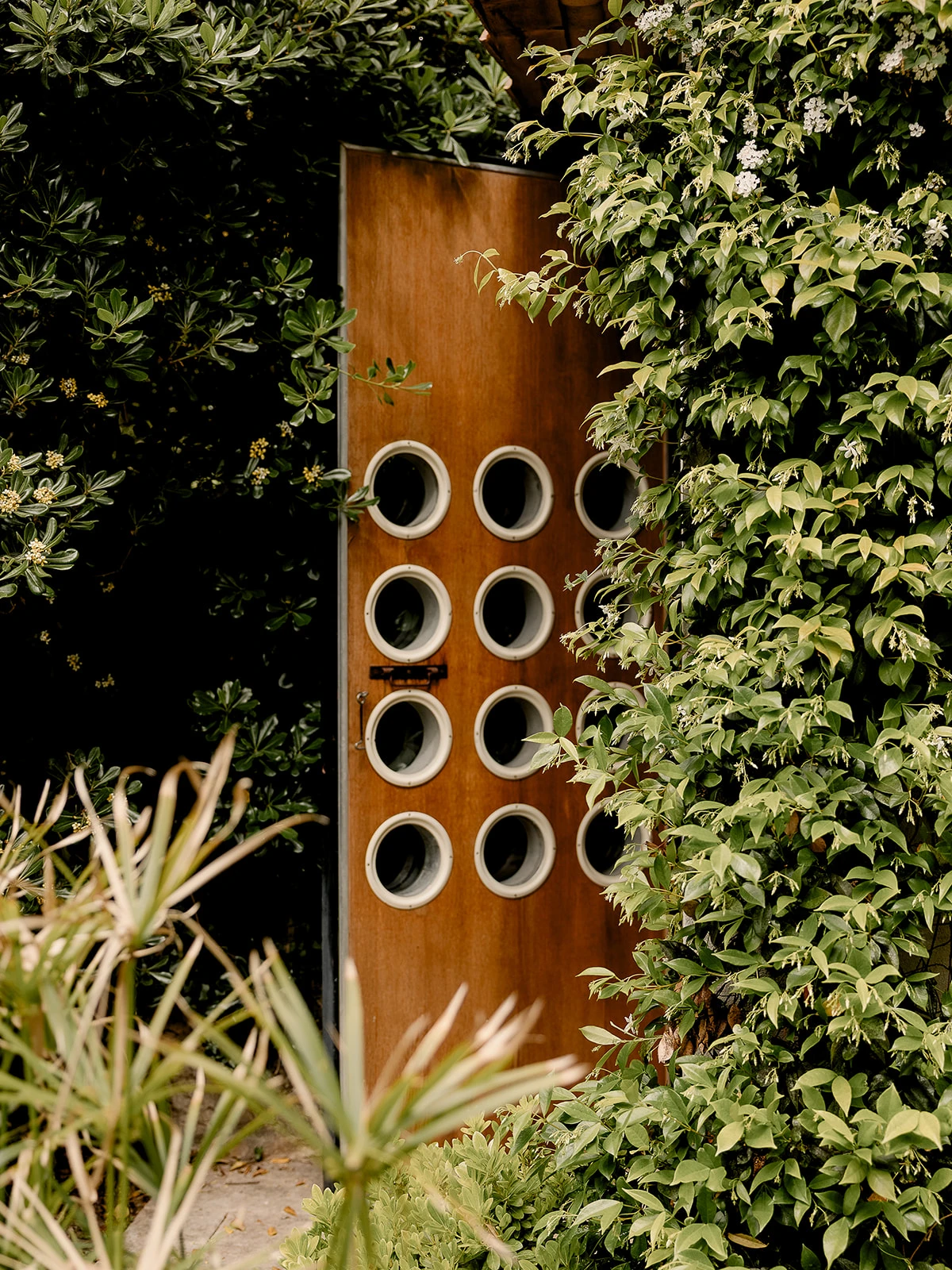
Spend the Night
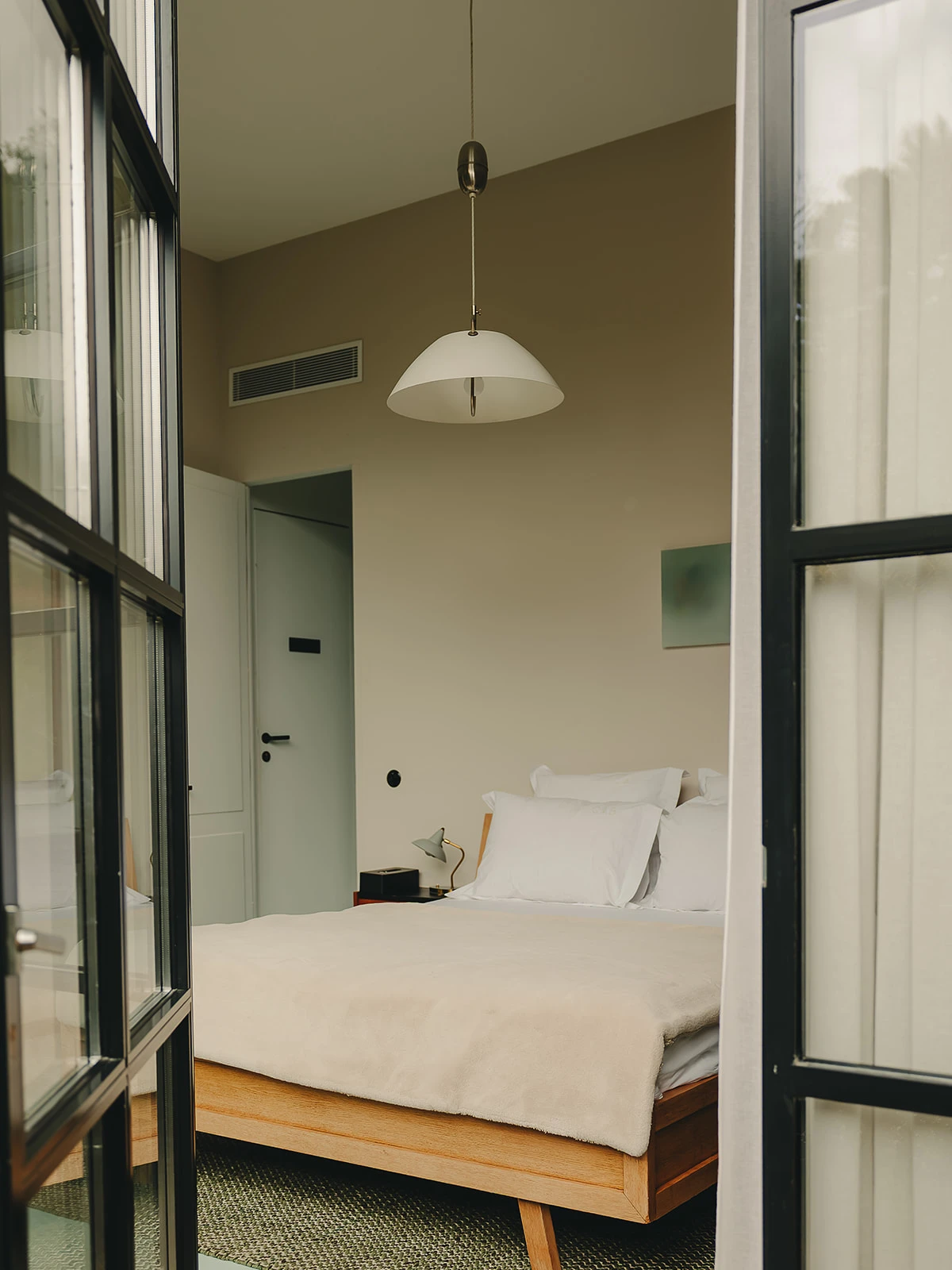
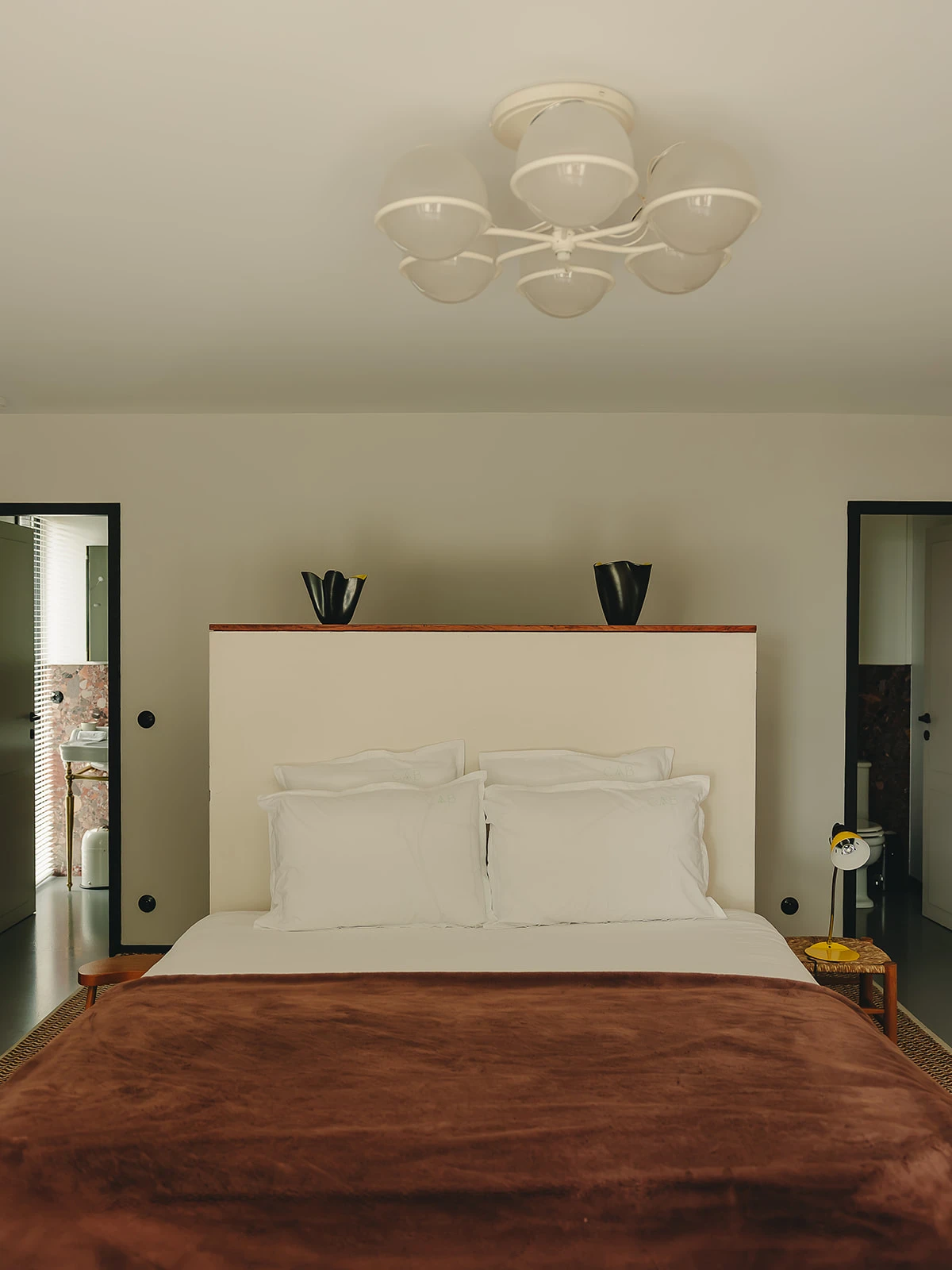
There are four other guest rooms at the foundation, each individually designed around 20th-century furniture by names including Pierre Jeanneret, Alvar Aalto, Jean Prouvé, Gino Sarfatti and Poul Kjærholm. But for me, the Prouvé house is the one that makes the whole place feel rather extraordinary.
You can also simply come for the day. After seeing the exhibitions, the garden and the design, SOL is a good place to stop for coffee or lunch, beneath the orange and lemon trees and surrounded by Charlotte Perriand furniture. The foundation also has a programme of seasonal exhibitions, workshops, artist residencies and events, so there is a reason to return beyond seeing the permanent collection.
For me, that is what makes Fondation CAB such an interesting addition to Saint-Paul de Vence. You come for the art, the architecture, the furniture, the garden, the history of the Prouvé house. And then you discover that you can also stay the night…
Click here to find out how to spend the night
 All articles